Best Place to Sell Pokemon Cards in 2026 (Ranked by Fees, Speed, and Payout)
We ranked every option by the three things that actually matter.
By Misprint Editorial | Published Jan 3, 2026 | 11 min read

We scored every platform on a 10-point scale across fees, speed, and payout — then added them up. No vibes-based ranking here.
We've spent years selling Pokemon cards on basically every platform that exists. We've shipped bubble mailers from eBay at midnight, refreshed TCGPlayer dashboards waiting for sales to roll in, handed cards to strangers in parking lots from Facebook Marketplace deals, and yes, we sell on Misprint too. That experience — the good, the frustrating, and the "I can't believe they charged me that much in fees" — is what this ranking is built on.
This is different from our 2026 payout-focused guide, which goes deep on net payout math for each platform. Here we're ranking every option across three dimensions and giving you a definitive 1-through-7 order. We gave each platform a score from 1-10 in three categories: Fees (lower is better), Speed (how fast cards sell and you get paid), and Payout (how much total money ends up in your pocket). Then we averaged them.
The Summary Ranking
Here's the quick-hit version. We explain every score below.
| Rank | Platform | Fees (10) | Speed (10) | Payout (10) | Total (30) |
|---|---|---|---|---|---|
| 1 | Misprint | 8 | 7 | 8 | 23 |
| 2 | TCGPlayer | 7 | 8 | 7 | 22 |
| 3 | eBay | 5 | 7 | 8 | 20 |
| 4 | Facebook Marketplace | 9 | 6 | 6 | 21 |
| 5 | Reddit/Discord | 10 | 5 | 6 | 21 |
| 6 | Local Card Shops | 6 | 9 | 4 | 19 |
| 7 | Consignment Services | 5 | 3 | 7 | 15 |
A few things jump out. Facebook and Reddit/Discord tie on total score but rank lower because their payout ceiling is limited by smaller, less competitive buyer pools. Local card shops are the fastest way to sell but the worst on payout, which makes sense — they need margin to resell. Consignment is the slowest option by a mile.
Let's break down why every platform got the score it did.
#1: Misprint — Total Score: 23/30
Fees: 8/10 | Speed: 7/10 | Payout: 8/10
Yeah, we put ourselves first. Let us explain why and you can decide if we're being honest.
Fees breakdown: Misprint charges 8% seller commission on completed sales. No listing fees. No separate payment processing fee — it's baked into the 8%. Shipping runs $2.50 flat per seller order plus $2.50 per graded or sealed item, with raw cards shipping free on top of that base. Compared to eBay's ~13% or TCGPlayer's 10.25%, this is genuinely lower. The only platforms cheaper on fees are ones with zero fees, which we'll get to.
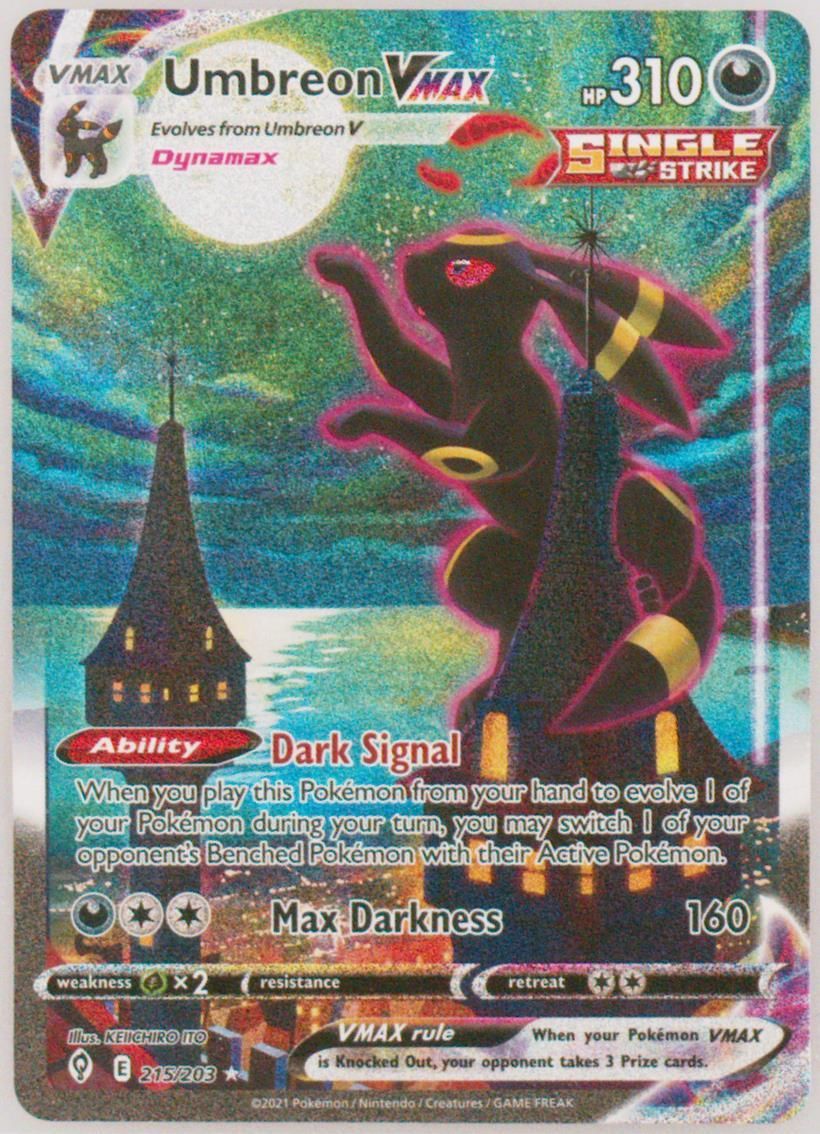
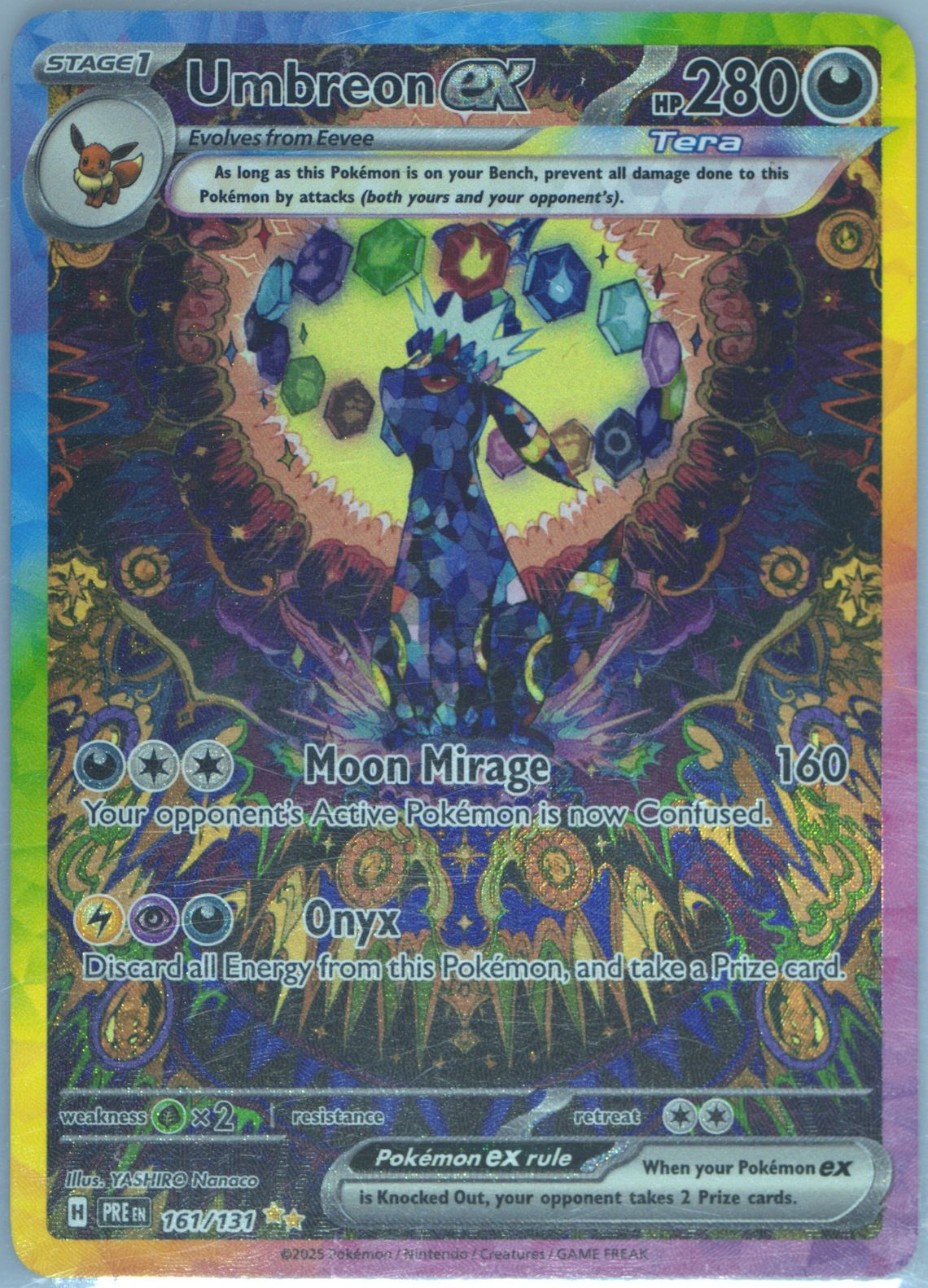
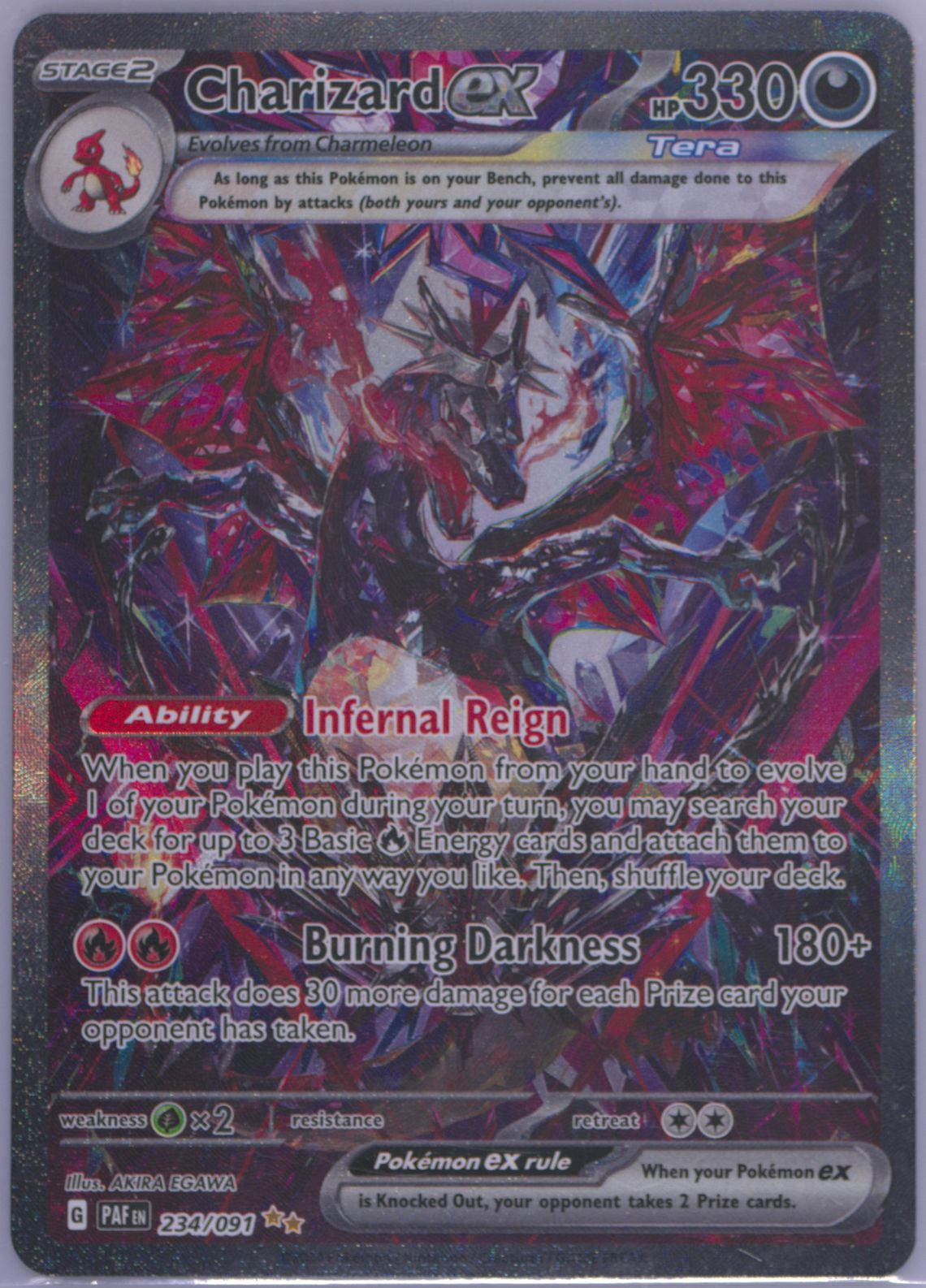
Speed: This is where we don't score a 10 and we know it. Misprint's buyer pool is growing fast but it's still smaller than eBay or TCGPlayer. Popular graded cards — your Umbreon VMAX Alt Art, your Prismatic Evolutions Umbreon ex SIR — tend to move within days to a couple weeks. More niche stuff can take longer. The bid system helps a lot here because buyers can offer below your ask, which keeps inventory liquid even when someone isn't ready to pay your full price right now.
Payout: Strong. The combination of lower fees and competitive sale prices (driven by built-in market data and price history that buyers can see) means you keep more of each dollar. For graded cards over $20, we genuinely believe the net payout on Misprint beats most other platforms right now.
Where Misprint falls short: Bulk cards under $5. The $2.50 shipping minimum makes the math tough on cheap singles. If you have a pile of $2 cards, TCGPlayer is probably better for those. We also don't have the catalog-based listing system that TCGPlayer does, so listing raw cards takes a bit more effort. For more on how we stack up, check our honest comparison piece.
Best for: Graded cards, mid-to-high value singles ($20+), sellers who want price transparency.
#2: TCGPlayer — Total Score: 22/30
Fees: 7/10 | Speed: 8/10 | Payout: 7/10
TCGPlayer is the workhorse of Pokemon card selling and it earns that reputation. If you have a stack of 50 raw singles you want to move, there's a strong argument that TCGPlayer is the single best option.
Fees breakdown: Standard sellers pay 10.25% commission plus $0.30 per transaction. Pro sellers (requires $500+/month in sales) get 8.95%. The per-transaction fee hurts on cheap cards — sell a $3 card and that $0.30 is an extra 10% on top of the commission. For cards in the $10-$100 range, the total fee is reasonable. You also pay for your own shipping supplies and postage.
Speed: Excellent for raw singles. TCGPlayer's buyer pool for Pokemon is massive, and the Cart Optimizer routes buyers to your listings even if you aren't the absolute cheapest seller. We've listed popular cards and had them sell within hours. Less popular stuff can sit for weeks, but that's true everywhere.
Payout: Good but not great. The higher commission rate compared to Misprint means you're keeping less per sale. The Cart Optimizer sometimes pushes prices down because you're directly competing with every other seller on the same card page. And the $0.30 per transaction adds up if you're selling lots of low-value cards.
Where TCGPlayer falls short: Graded cards. The search and filtering experience for slabs is clunky, and the buyer pool for graded cards is much smaller than for raw singles. If you have a graded collection, look at platforms built for that.
Best for: Raw singles in the $3-$100 range, high-volume sellers, people who hate taking photos.
#3: eBay — Total Score: 20/30
Fees: 5/10 | Speed: 7/10 | Payout: 8/10
eBay has the largest buyer pool on the planet and that matters. For certain types of sales — rare cards, high-value graded slabs, auctions on hyped releases — nothing else matches the competition among buyers that eBay generates. The problem is they take a massive cut.
Fees breakdown: eBay charges approximately 13% total between seller fees and payment processing. Sell a card for $100 and you're already down to $87 before you've paid for shipping, packing supplies, or your time. There's also promoted listings, which eBay increasingly nudges sellers toward — that can add another 2-8% depending on how aggressive you set it.
Speed: Solid. The sheer audience size means most popular cards sell reasonably fast. Auctions on hyped cards can generate bidding wars that push prices above market value, which is something no other platform reliably does. But listings for mid-range cards in a competitive category can sit for a while, and eBay's search algorithm doesn't always favor smaller sellers.
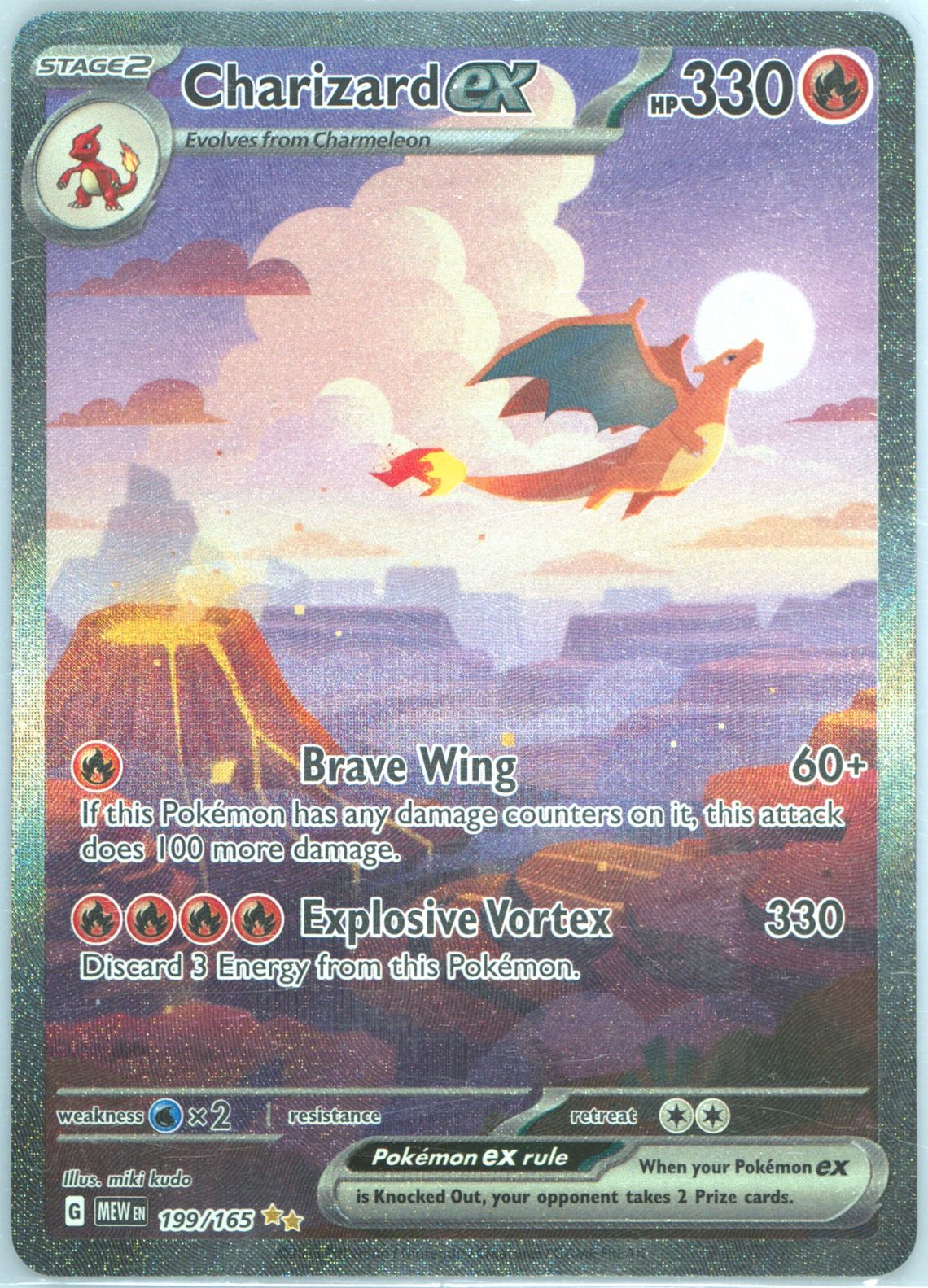
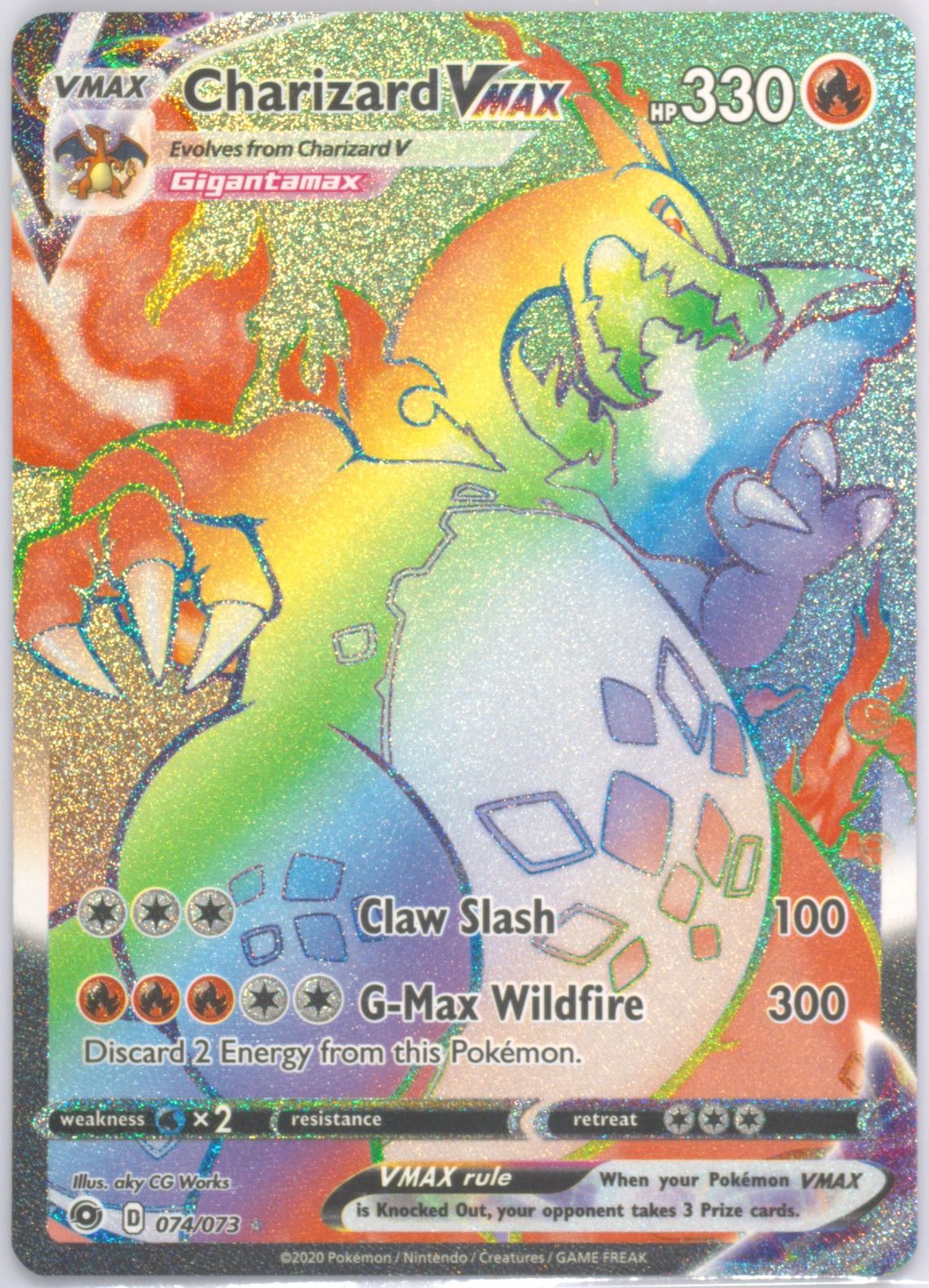
Payout: This is eBay's strength. Because of the huge buyer pool and auction format, you can sometimes get MORE for a card on eBay than anywhere else — especially for rare, one-of-a-kind, or hyped cards. A Base Set Charizard 1st Edition or a 151 Charizard SIR in high grade will often fetch the highest raw price on eBay due to auction competition. The high fees eat into that advantage, but for big-ticket items, the higher sale price more than compensates.

Where eBay falls short: The buyer protection system is aggressively buyer-friendly. Scammers exist, and eBay often sides with the buyer in disputes even when the seller did everything right. This is a real risk, especially on high-value cards. We cover this in detail in our platform comparison.
Best for: High-value cards ($200+), rare/unique items, auctions on hyped releases, sealed product.
#4: Facebook Marketplace / Local Facebook Groups — Total Score: 21/30
Fees: 9/10 | Speed: 6/10 | Payout: 6/10
Wait, Facebook scored 21 but is ranked 4th? Here's the thing: we weighted our experience and risk into the ranking, not just raw numbers. Facebook's "fees" score is high because there's essentially no platform fee for local sales. But the payout score is low because you're selling to a smaller local audience, and the speed score suffers because finding serious buyers takes time and effort.
Fees breakdown: If you sell locally through Facebook Marketplace or a local Pokemon card buy/sell group, your fees are literally zero. No commission, no payment processing, no shipping. You meet up, hand over the card, get cash or Venmo. That's it. If you ship through Facebook Marketplace's built-in system, they charge around 5%, but most card sellers in local groups arrange payment outside the platform anyway.
Speed: Varies wildly. In a big city with active Pokemon groups, you might find a buyer same-day. In a smaller area, you could post a card and hear nothing for weeks. There's no algorithm matching buyers to your listing — it's just scrolling a feed and hoping someone sees your post.
Payout: Lower than you'd expect, even with zero fees. Local buyers negotiate hard, and without visible market data, many buyers lowball aggressively. We've had people offer 40-50% of market value with a straight face because "that's what they're willing to pay." You also have zero protection if something goes wrong. Cash is king in local sales, but there's no recourse if someone hands you a fake bill.
Best for: Cards in the $20-$200 range where you want instant cash, situations where you have an active local community, avoiding shipping entirely.
#5: Reddit / Discord — Total Score: 21/30
Fees: 10/10 | Speed: 5/10 | Payout: 6/10
Subreddits like r/pkmntcgtrades and various Discord servers are zero-fee selling options where the community self-polices through reputation systems and verified trader flair.
Fees breakdown: Zero platform fees. Truly zero. You pay PayPal G&S (about 3.5%) for buyer protection, or some people accept PayPal F&F or Venmo for 0% — though that means zero buyer protection. That's it.
Speed: Slow unless you price aggressively. These communities have serious buyers, but they're also savvy and patient. Your post competes with dozens of others, and the feed moves fast. On Reddit, posts disappear from the front page within a day, so you may need to repost weekly. Discord is slightly faster for active servers, but the buyer pool is small.
Payout: Low to moderate. The buyers in these communities know exactly what cards are worth, and they expect a discount compared to platform prices because they're assuming risk by buying peer-to-peer. Expect to sell at 80-90% of TCGPlayer market price. That's still a good deal for you if you're dodging all fees, but it limits your upside.
Where Reddit/Discord falls short: No protection infrastructure. If you get scammed (and it does happen), your only recourse is posting about it and hoping the mods ban the person. The reputation system helps but isn't foolproof. Read our guide on identifying if a platform is trustworthy for more on what to look for.
Best for: Experienced traders, people comfortable with peer-to-peer risk, trades (not just sales).
#6: Local Card Shops — Total Score: 19/30
Fees: 6/10 | Speed: 9/10 | Payout: 4/10
Your local card shop (LCS) gets a 9 in speed because you walk in, they look at your cards, and you walk out with money in your pocket. Same day, same hour, done. That's unbeatable. Everything else is painful.
Fees breakdown: There aren't "fees" per se, but the shop is buying your cards at a steep discount to resell them. That discount IS the fee, and it's typically 40-60% off market value. Bring in a card worth $100 on the open market and expect an offer between $40-$60. Some shops are better than others, but they all need margin.
Speed: Unmatched. Walk in, sell, leave. No listing, no shipping, no waiting. If you need money today, this is the play.
Payout: Worst on this list. Selling to a shop means accepting a wholesale price. For high-value graded cards, the gap between what a shop offers and what you'd get on Misprint or eBay can be hundreds of dollars. For a deep dive on this, see our piece on how to tell if your cards are valuable — knowing their worth before walking into a shop is critical.

Best for: When you need cash today, when you have bulk commons/uncommons, when you're selling a collection you don't want to deal with.
#7: Consignment Services — Total Score: 15/30
Fees: 5/10 | Speed: 3/10 | Payout: 7/10
Consignment services sell your cards on your behalf, typically on eBay or their own channels. You ship them your cards, they list them, sell them, and send you a cut. Sounds convenient, right? It is — at a cost.
Fees breakdown: Most consignment services take 15-25% of the sale price. Some charge additional fees for photography, listing, and storage. The total cost is often the highest of any option on this list. The only upside is you don't have to do any of the work.
Speed: Terrible. You're waiting for them to receive your cards, photograph them, list them, sell them, and then pay you. The whole cycle can take 4-8 weeks easily. For time-sensitive sales — like selling into a hype wave or before a reprint announcement — consignment is a non-starter.
Payout: Moderate to good on a per-card basis because they're experienced sellers who optimize listings and pricing. But the high commission eats into it. Net, you're often keeping less than you would selling on Misprint or TCGPlayer yourself, and you're waiting much longer to get paid.
Best for: High-value collections you don't have time to sell yourself, estates, people who truly want hands-off selling.
How to Pick the Right Platform for Your Situation
The right answer depends on what you're selling and what you care about most:
Selling graded cards worth $50+? Misprint or eBay. Both have strong buyer pools for slabs, but Misprint's lower fees mean more money in your pocket unless eBay auction dynamics push the sale price significantly higher. We wrote a detailed comparison of Misprint vs TCGPlayer vs eBay if you want the full breakdown.
Selling a stack of raw singles? TCGPlayer, especially if they're in the $3-$100 range. The catalog system and Cart Optimizer make selling raw singles at volume efficient and fast.
Selling one or two valuable cards and want maximum price? eBay auction for cards over $500 where bidding wars are likely. Misprint for cards in the $50-$500 range where the fee savings outweigh eBay's slightly larger buyer pool.
Need cash today? Local card shop. Accept the payout hit for the instant liquidity. Or try local Facebook groups if you can wait a day or two.
Want zero fees and don't mind the work? Reddit or Discord, with the understanding that you're your own customer service department and there's no platform backing you up if something goes sideways.
Have a massive collection and no time? Consignment, with the understanding that you're paying a premium for convenience and waiting a long time.
A Note on Selling Bulk
None of the platforms above are ideal for true bulk — your 5,000 random commons and uncommons. For that, check our guides on what bulk Pokemon cards are worth and how to sell bulk Pokemon cards. The short version: bulk buyers pay $15-$30 per 1,000 cards, and trying to sell commons individually on any platform is a losing proposition.
The Decision We'd Make
If we had a collection of graded and raw cards to sell tomorrow, here's what we'd do:
- Sort by value. Anything worth $20+ goes on Misprint. Anything in the $3-$20 raw range goes on TCGPlayer. Anything truly rare or one-of-a-kind goes on eBay as an auction.
- Sell bulk separately. Ship it to a bulk buyer or bring it to a local shop. Don't waste time listing $0.50 cards individually.
- Use the bid system. On Misprint, set your asking price but be open to bids. A card that sits for two months at your asking price might have sold in a week if you'd accepted a bid that was 10% lower.
For more context on the "sell individually vs. as a lot" decision, read our breakdown of that trade-off. And if you want to actually figure out what your cards are worth before you pick a platform, start with our collection value guide.
The best place to sell Pokemon cards in 2026 isn't universal. It depends on what you have, how fast you need the money, and how much effort you want to put in. But if you're selling graded cards and want the best combination of fees, speed, and payout, Misprint is where we'd start — and not just because we built it.


