Best Place to Buy Pokemon Cards for Investment (2026)
Investing in cards means buying right. That starts with where you buy.
By Misprint Editorial | Published Feb 14, 2026 | 11 min read

Nobody ever made money on Pokemon cards by overpaying at the wrong store.
There's a meaningful difference between collecting Pokemon cards and investing in them. Collectors buy what they love. Investors buy what they think will appreciate. The overlap is real — plenty of people do both — but the priorities are different. When you're buying for investment, you care about entry price, authentication, liquidity, and market data in a way that casual collectors simply don't.
We see investment-motivated purchases on Misprint every day. The buyers who consistently do well share a few traits: they buy below market when possible, they verify everything, they track their positions, and they buy on platforms that support all of those activities. The buyers who struggle? They overpay because they bought on the wrong platform, they skip authentication and get burned by a fake, or they buy something illiquid and can't sell it when they need to.
This guide is about where to buy Pokemon cards if your goal is investment returns. Not just where the cards are, but where the deals are, where authentication is strongest, and where you'll have the easiest time exiting your position later.
What Makes a Good Investment Buy
Before we rank platforms, let's establish what investment buyers actually need:
Entry Price Below Market
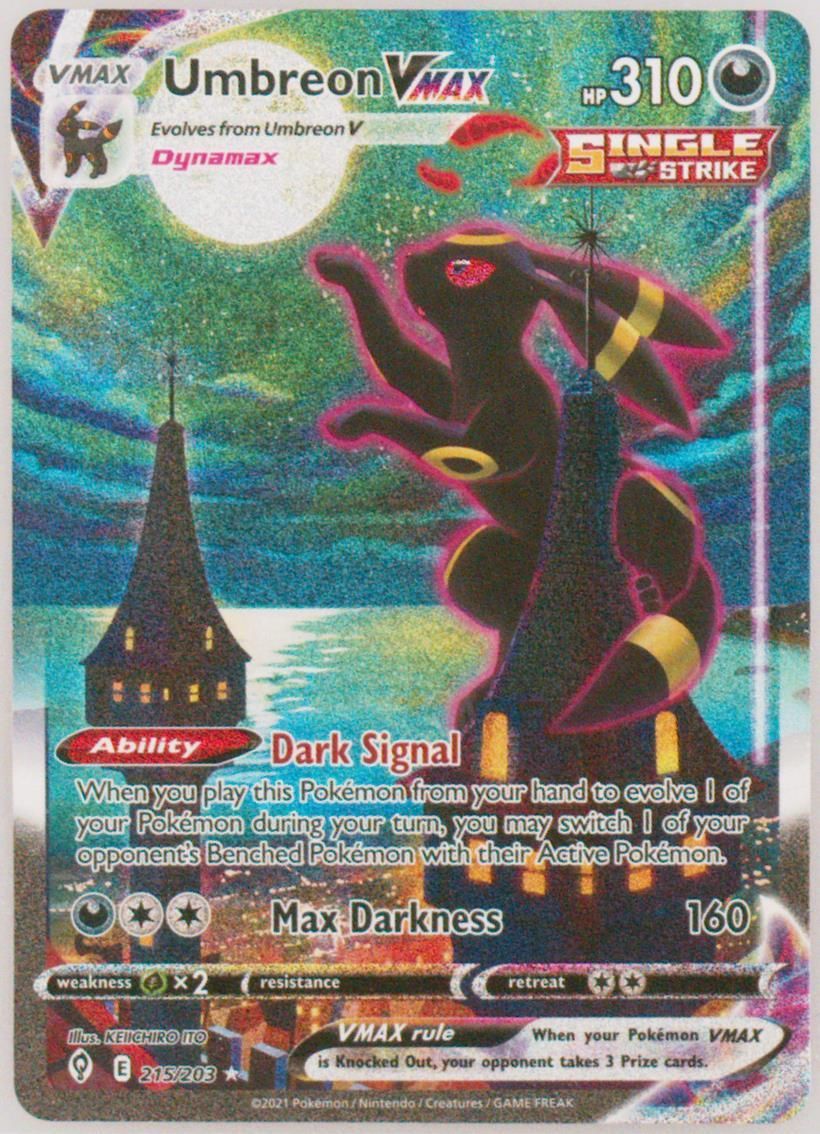
The single biggest factor in investment returns is what you pay. A PSA 10 Umbreon VMAX Alt Art that trades at $500 is a good investment at $450 and a bad one at $550. Same card, different entry price, completely different outcome. Investment buyers need platforms where they can buy at or below fair market value — not above it.
Authentication Certainty
An investment-grade card that turns out to be fake is worth $0. Authentication isn't optional for investors; it's the foundation. This generally means buying graded cards (PSA, BGS, CGC) from platforms that verify cert numbers, or buying from auction houses that authenticate before sale.
Liquidity
You need to be able to sell. A card you can't sell isn't an investment; it's a donation. This means buying cards that have active markets and using platforms where the buyer pool is large enough to move your position when you're ready.
Market Data
You need to know what cards are actually selling for — not listed for, but selling for. Real-time and historical price data lets you identify undervalued cards, set appropriate bid prices, and know when to take profits.
Portfolio Tracking
Serious investors track their positions. Cost basis, current market value, unrealized gains/losses. Some do this in spreadsheets; some use purpose-built tools.
Platform Rankings for Investment Buyers
1. Misprint — Best All-Around for Investment
We obviously built Misprint, so take this with appropriate skepticism. But the features we've built are specifically aligned with what investment buyers need, and the feedback from our investment-oriented users has been consistent: this is where they spend the most time.
Why investors use Misprint:
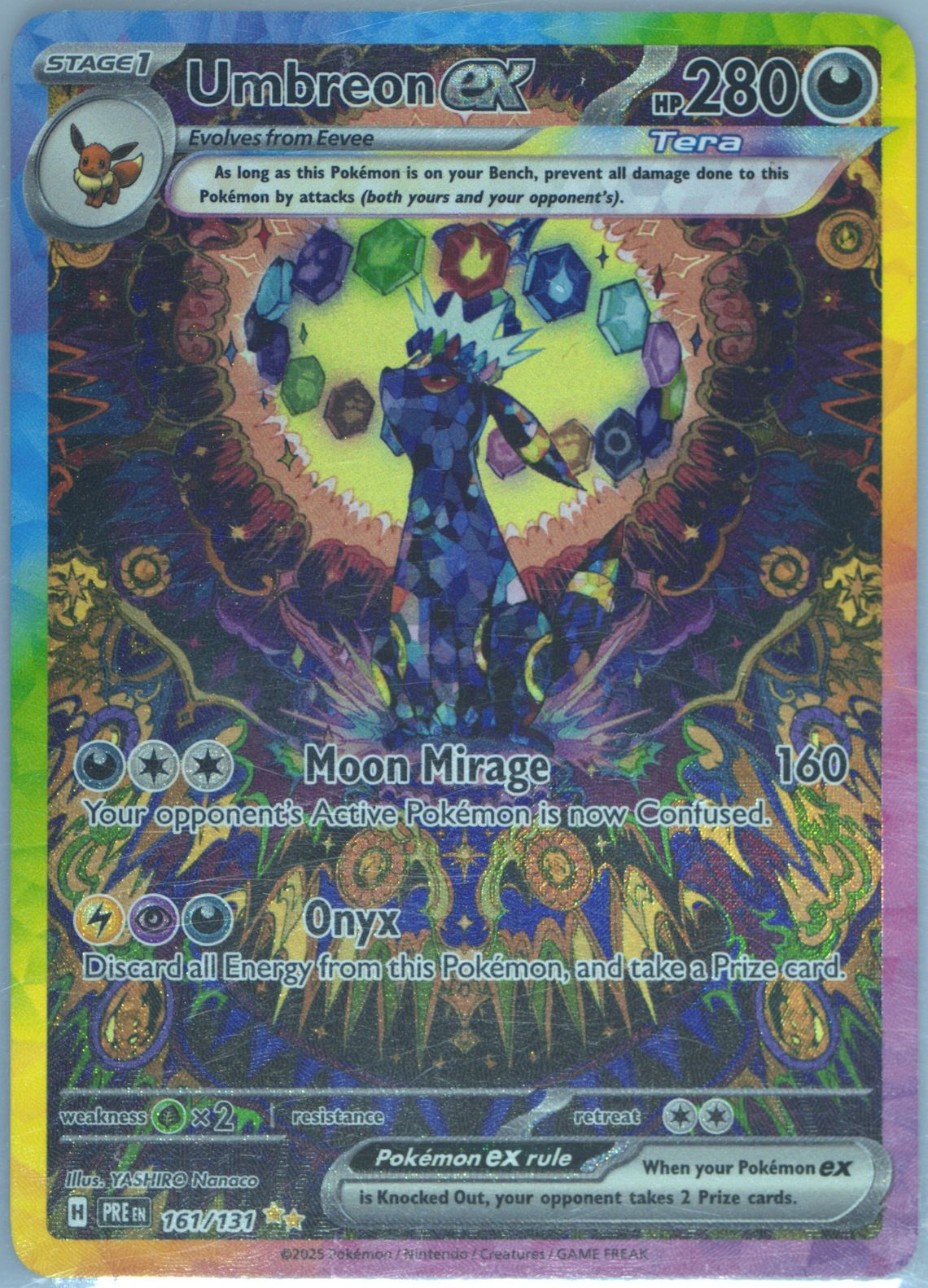
Real-time market pricing. Every card on Misprint has historical price data showing actual transaction prices. Not listed prices. Not "estimated values." Actual sales. When you're evaluating whether a PSA 10 Prismatic Evolutions Umbreon ex SIR at $380 is a good entry point, you can see the last 20 sale prices, the trend line, and the price range. That data is the difference between informed investing and guessing.
The bid system for below-market entries. This is where Misprint shines for investors. Instead of paying the seller's asking price, you can place a bid at whatever price you're willing to pay. If a card is listed at $500 and recent sales show $470 average, placing a bid at $440-460 is reasonable. Many sellers accept bids 5-15% below their ask, especially if they've been sitting on inventory. Over time, consistently buying at 5-10% below market compounds into significantly better returns.
Pop report integration. For graded cards, population data is investment-critical. A PSA 10 with a population of 15 is fundamentally different from a PSA 10 with a population of 3,000. Low-pop cards have more upside potential because supply is constrained. Misprint shows population data alongside listings so you can factor scarcity into your buying decisions.
Cert verification. Every graded card can be verified against the grading company's database. For investment-grade purchases, this is non-negotiable.
Portfolio tracking. Track what you own, what you paid, and what it's currently worth. This is basic for stock investing but still surprisingly rare in the card world.
Where Misprint falls short for investors: Selection is still growing. For very rare cards — think PSA 10 Gold Stars or high-grade vintage 1st Editions — eBay and PWCC may have inventory that Misprint doesn't. We're adding inventory constantly, but a platform that's been around for 20+ years will have more listings of obscure items.
2. eBay Auctions — Best for Sniping Below Market
eBay's auction format creates opportunities that no fixed-price platform can match. When an auction ends at the wrong time (Sunday at 2am), when the listing title is misspelled, when the photos are bad but the card is real — those are moments where investment buyers get below-market entries.
Why investors use eBay auctions:
Inefficient pricing creates opportunity. Not every eBay listing gets the attention it deserves. We regularly see graded vintage cards end at auction for 15-25% below their Misprint market price, simply because the listing didn't attract enough bidders. For investors, this is the equivalent of buying an undervalued stock.
Largest inventory anywhere. If a Pokemon card has investment potential, it's on eBay. Period. Low-pop vintage, modern chase cards, sealed product — the selection is unmatched.
Authentication for $250+ cards. eBay's authentication service (through CGC) adds an important safety layer for higher-value purchases. Cards over $250 get verified before reaching you.
The "Best Offer" angle. On Buy It Now listings, the Best Offer feature lets you negotiate. Sellers who've had a card listed for weeks are often willing to accept 10-15% below ask. For investors, every dollar saved on entry improves your return.
Where eBay falls short for investors:
- No integrated price data. You have to manually check sold listings to establish fair value. This is tedious and error-prone.
- Fake risk below $250. Without authentication on lower-priced items, you're relying on your own judgment. For investment purchases, this is risky.
- Fees eat into resale margins. When you sell on eBay, you're paying ~13% in total fees. That's a significant drag on returns.
- Auction sniping tools are widespread. Other investors are using the same strategy, which has made true "steals" rarer than they were a few years ago.
Investment tip: Set up saved searches with email alerts for specific cards you're targeting. Auctions ending during off-hours (weekday mornings, holiday weekends) tend to produce the best deals.
3. PWCC — Best for Investment-Grade Vintage and Trophy Cards
PWCC Marketplace is essentially the stock exchange of high-end Pokemon cards. Their weekly auctions feature curated selections of graded cards, and their vault storage service lets you hold and trade cards without ever taking physical possession.
Why investors use PWCC:
Authentication is their business. Every card submitted to PWCC auction is examined for authenticity. For five-figure cards, this level of scrutiny is essential.
The vault. PWCC's vault lets you store cards securely and even sell them without shipping. For investors who are buying and holding, this eliminates storage risk (damage, theft) and makes the card feel more like a financial asset than a physical collectible.
Market index data. PWCC publishes market indices that track overall Pokemon card values over time. This is valuable for understanding macro trends in the investment market.
Established buyer pool. When you're ready to sell, PWCC's buyer base includes the most serious Pokemon card investors in the world. Liquidity for high-end cards is strong.
Where PWCC falls short for investors:
- Buyer's premium. That 20% on top of the hammer price is a real cost. On a $5,000 card, you're paying $6,000. Your card needs to appreciate 20% just to break even on the premium.
- Limited to high-end. PWCC's sweet spot is cards worth $500+. For mid-range investment cards ($50-500), the platform isn't ideal.
- Auction timing. You can't buy when you want; you buy when the auction runs. If the card you want isn't in this week's auction, you wait.
Best for: Trophy cards and vintage investments above $1,000.
4. Sealed Product Sources — For Long-Term Holds
Sealed Pokemon product — booster boxes, ETBs, cases — is its own investment category. The appreciation curve is well-documented: popular sets tend to rise steadily after they go out of print, with occasional spikes driven by nostalgia or content creator attention.

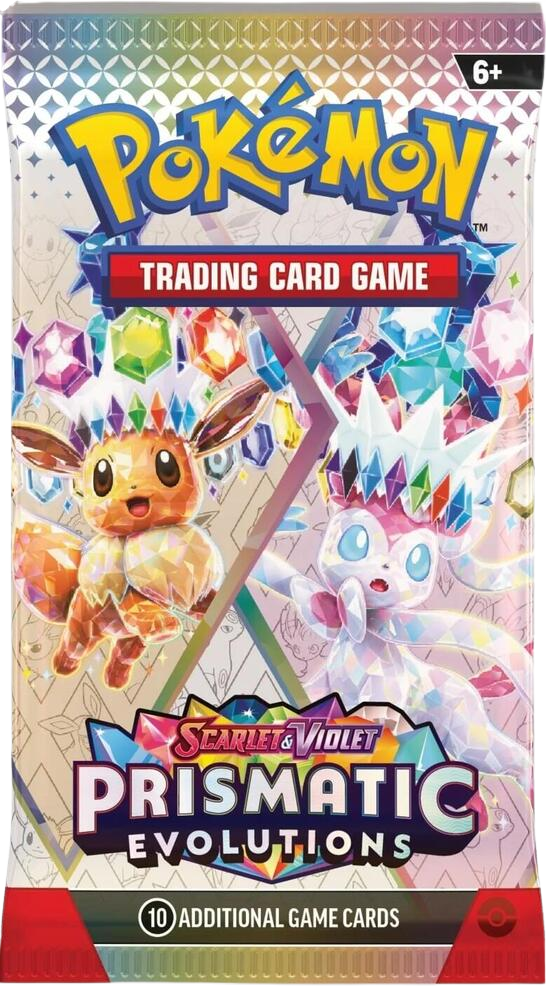
Where to buy sealed for investment:
- Pokemon Center at MSRP is the best entry point when available, but stock is limited. Buying at MSRP guarantees you're entering at the floor price.
- Misprint for post-MSRP sealed product with market pricing data. You can see the appreciation curve in real time and bid below ask.
- Wholesale distributors for case quantities at distributor cost (roughly 50% of MSRP). This requires a business license but offers the best margins.
- eBay for out-of-print sealed product, but only from established sellers with photos of actual product. Resealed boxes destroy investment value entirely.
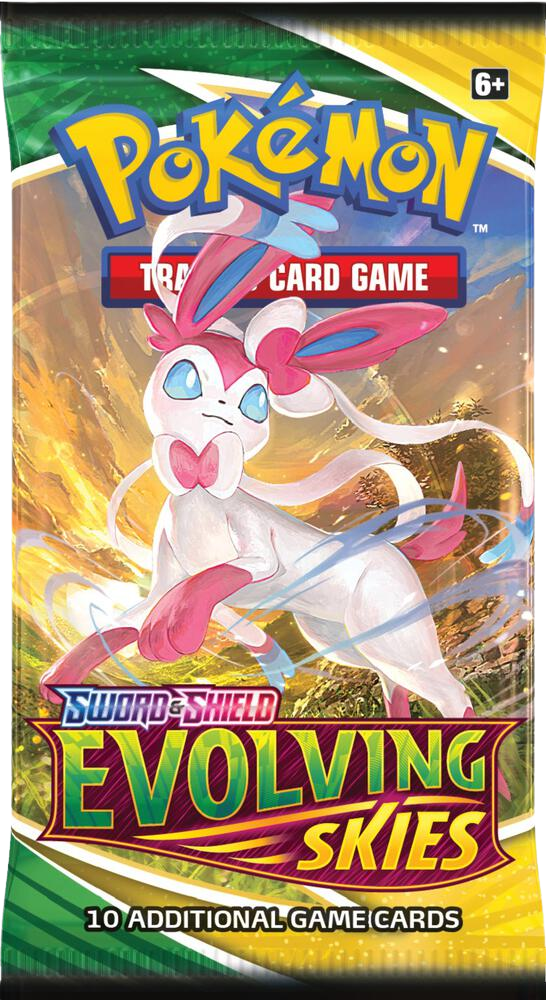
We covered sealed product investing in depth in our sealed product investment guide and price trends analysis. The short version: sealed product from popular sets purchased at or near MSRP has historically been a solid long-term hold. Evolving Skies booster boxes bought at $130-140 MSRP now trade at $280-320. That's a roughly 2x return in under three years.
5. Facebook Groups and Discord — For Off-Market Deals
Private sales in Facebook groups (Virbank City Pokemart, Pokemon TCG Buy/Sell/Trade) and Discord servers offer prices 10-20% below marketplace levels because there are no platform fees. For investment buyers, that's a significant edge on entry price.
The trade-offs are real:
- No buyer protection. PayPal Goods & Services provides some coverage, but it's not the same as platform-backed guarantees. If a seller sends a fake, your recourse is limited.
- Authentication is on you. Nobody is verifying anything. You need to be able to authenticate cards yourself or accept the risk.
- Scam risk is higher. Established groups have moderators and reputation systems, but they're not foolproof.
Investment tip: If you buy from private groups, only use PayPal Goods & Services (never Friends & Family), request timestamped photos with your username visible, and verify cert numbers before committing. The savings can be substantial, but only if the card is real.
What to Buy for Investment in 2026
Platform choice matters, but so does what you're actually buying. Here's what we think represents good investment potential right now, and where to find it.
PSA 10 Modern Chase Cards
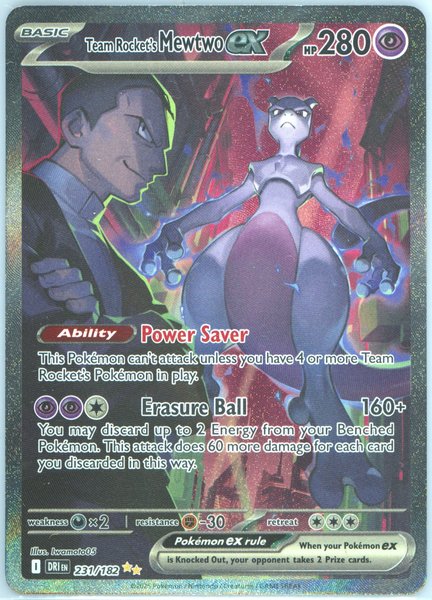
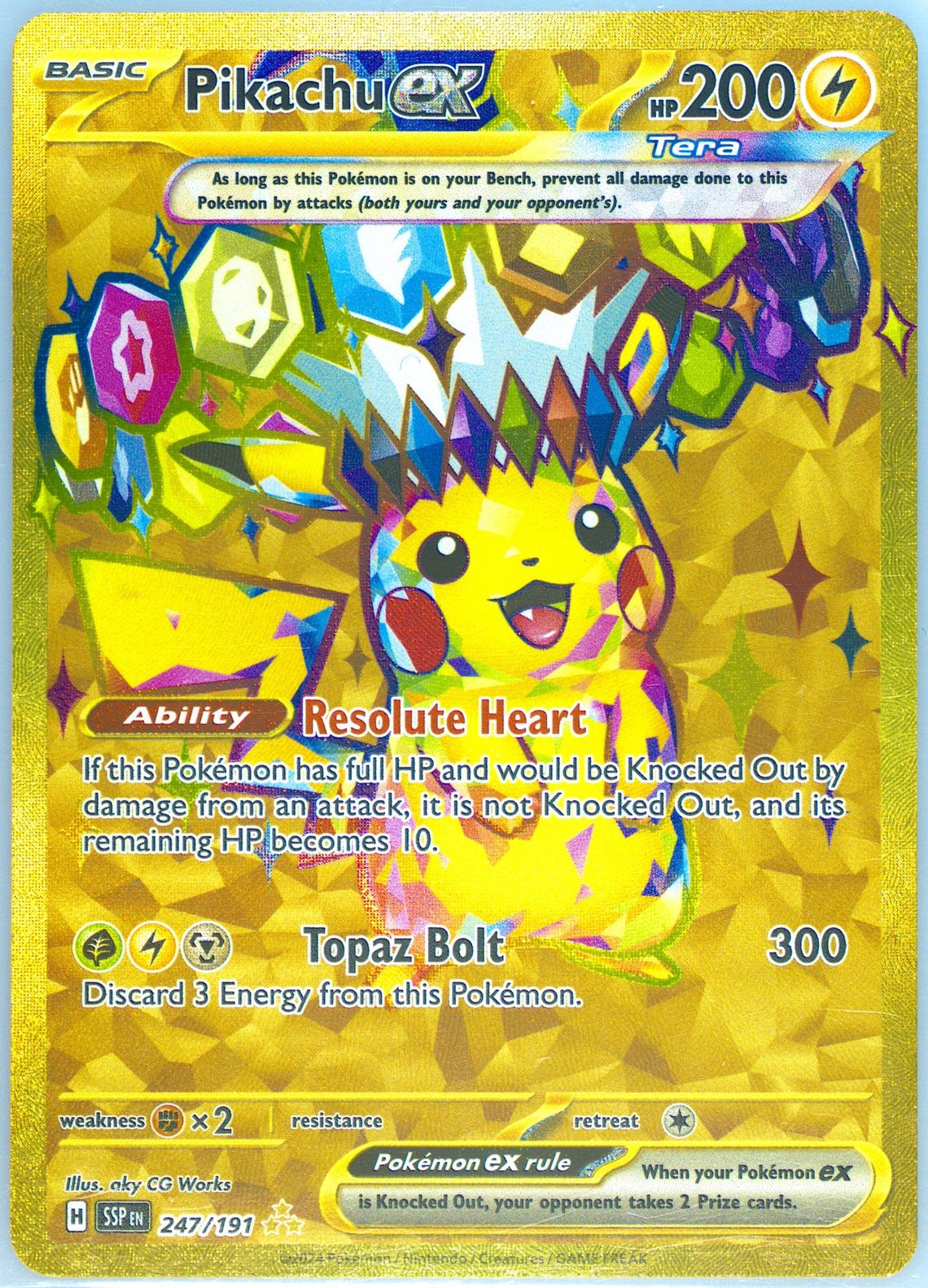
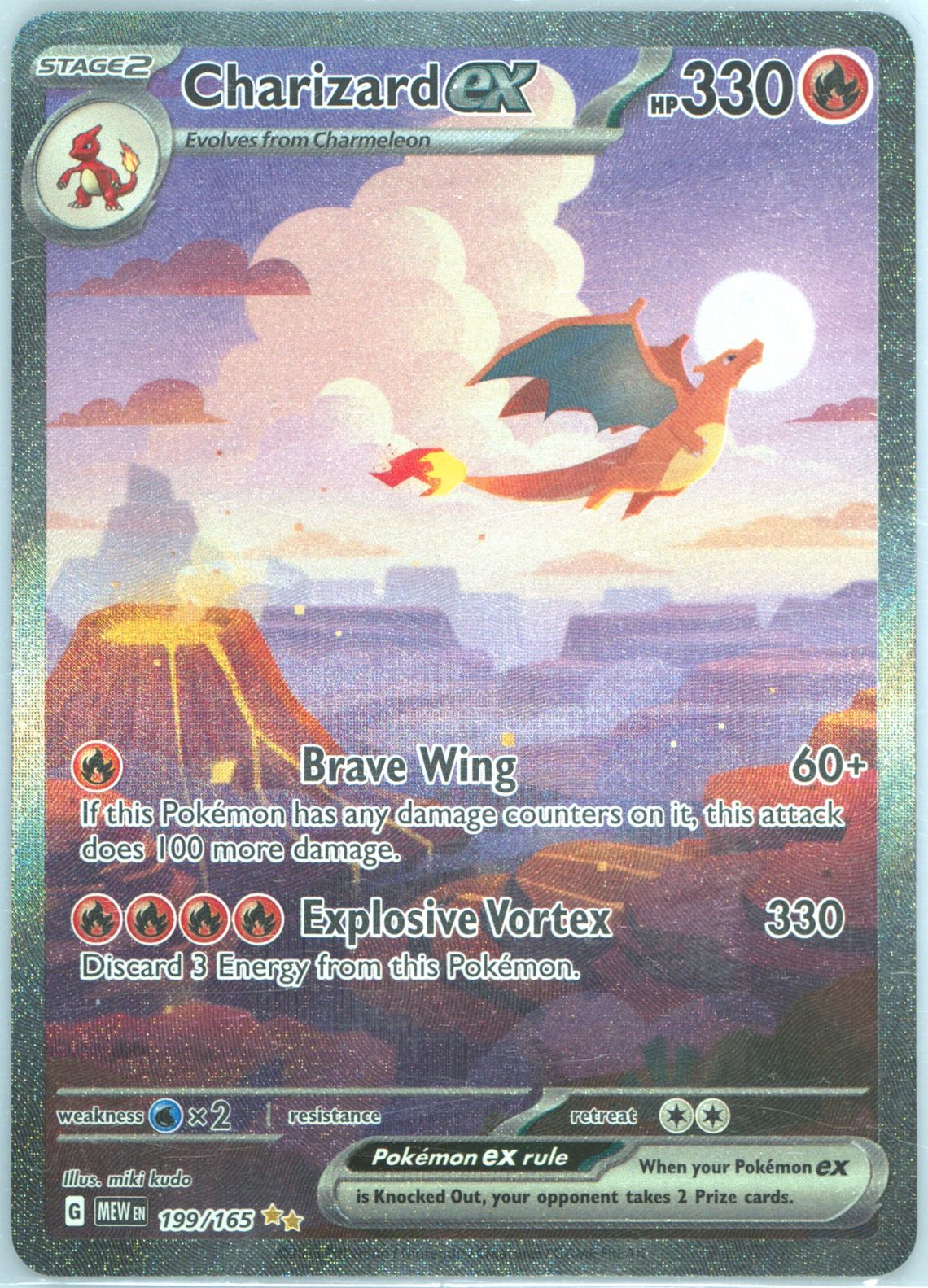
Cards like the Surging Sparks Pikachu EX HR, Destined Rivals Mewtwo SIR, and 151 Charizard SIR are still relatively accessible in PSA 10 and have strong long-term appreciation potential. The play here is buying current-set chase cards in PSA 10 while populations are still growing and prices are relatively flat.
Where to buy: Misprint (bid system for below-market entry, pop data for timing), eBay auctions (snipe deals on recent submissions).
Low-Pop Vintage Graded Cards
PSA 10 and BGS 9.5/10 vintage cards with low populations — under 50 copies — have the most upside potential in the entire market. Supply is permanently constrained (these cards are 20+ years old and nearly all surviving copies have already been graded), so any increase in demand has an outsized effect on price.
Where to buy: PWCC auctions, eBay authenticated sales, Misprint (use pop reports to identify low-pop opportunities).
Sealed Product from Proven Sets
Evolving Skies, Brilliant Stars, and Crown Zenith booster boxes have shown the strongest appreciation curves of recent sets. For newer product, Prismatic Evolutions is the clear frontrunner for long-term sealed value.
Where to buy: Misprint for market pricing, wholesale distributors for case quantities, Pokemon Center for MSRP when available.
Gold Star and Vintage ex-Era Cards
Gold Stars (Charizard Gold Star, Umbreon Gold Star, Rayquaza Gold Star) and certain ex-era cards are in a sweet spot: expensive enough to deter casual buyers but not so expensive that only institutions are playing. PSA 9 Gold Stars in the $3,000-8,000 range have shown steady appreciation.
Where to buy: PWCC, eBay authenticated, Misprint for price tracking.
The Investment Buyer's Checklist
Before you buy any card as an investment, run through this:
- Check recent sold prices on Misprint or eBay sold listings. Is the asking price at, below, or above recent market? Only buy at or below.
- Verify authentication. Graded? Check the cert number. Raw? Don't buy raw for investment unless you're grading it yourself immediately.
- Check population. Low-pop is better for upside. High-pop means more supply to absorb before prices move.
- Consider liquidity. Can you sell this card in a week if you need to? Cards with strong recent sale volume on Misprint and eBay are liquid. Cards with one sale every three months are not.
- Factor in all costs. Platform fees when you sell, shipping both ways, grading costs if applicable, and the buyer's premium at auction houses. A card needs to appreciate enough to cover all of these before you see profit.
- Document everything. Record your cost basis, the platform, the date, and the cert number. You'll need this for resale and potentially for taxes.
Common Investment Mistakes (and Which Platforms Enable Them)
Overpaying because you didn't check comps. This happens most on eBay Buy It Now and TCGPlayer, where listed prices can be 20-30% above actual market value. Always check sold data first.
Buying ungraded for investment. Raw cards are subjective. A card you think is a PSA 10 candidate might come back a PSA 8. Unless you're an experienced grader, stick to already-graded cards for investment. This matters less on platforms like Misprint that focus on graded inventory.
Buying from unverified sellers to save money. The cheapest listing is sometimes cheap for a reason. A fake card has zero investment value. The $50 you "saved" buying from an unverified seller instead of an authenticated one is meaningless if the card is counterfeit.
Ignoring fees when calculating returns. A card that appreciates 15% isn't a 15% return if you paid 20% buyer's premium at PWCC and will pay 13% selling fees on eBay. Net returns after fees are what matter. Read our pricing guide for more on how transaction costs affect real returns.
Chasing hype instead of fundamentals. When a content creator features a card and the price spikes 40% overnight, that's not the time to buy for investment. That's the time to sell if you already own it. Wait for the hype to cool and buy the dip.
Platform Comparison for Investment Buyers
| Factor | Misprint | eBay | PWCC | TCGPlayer |
|---|---|---|---|---|
| Below-market buying | Bid system | Auctions, Best Offer | Auction only | Limited |
| Price data quality | Excellent | Manual (sold listings) | Good (their sales) | Good (market price) |
| Authentication | Cert verification | $250+ authenticated | Full authentication | Seller verification |
| Fees (selling) | Competitive | ~13% | 20% buyer premium | ~12-15% |
| Vintage selection | Growing | Largest | Curated, high-end | Limited graded |
| Sealed product | Yes, with market data | Largest selection | Some | Yes |
| Portfolio tracking | Built-in | None | Vault | None |
Final Thoughts
Investing in Pokemon cards isn't like investing in stocks. There's no SEC regulation, no standardized reporting, and no central exchange. That makes where you buy even more important. The right platform gives you the data, authentication, and pricing mechanisms to make informed decisions. The wrong platform leaves you guessing, overpaying, and exposed to fakes.
For most investment buyers, we'd recommend using Misprint as your primary data source and buying platform for graded cards, eBay auctions as a secondary source for below-market opportunities, and PWCC for high-end vintage pieces. Diversify your platforms like you'd diversify your portfolio.
For more on whether Pokemon cards are a good investment in general, read our 2026 investment analysis. For the best sealed product to invest in, check our booster box investment guide. And for understanding how card pricing works at a fundamental level, our pricing guide breaks it all down.


