Best Place to Sell Graded Pokemon Cards (PSA, CGC, BGS)
Graded cards deserve a platform that understands them.
By Misprint Editorial | Published Jan 29, 2026 | 10 min read

You didn't pay $30-$150 to get a card graded just to sell it on the wrong platform.
Selling a graded Pokémon card is fundamentally different from selling a raw one. The authentication is already done. The condition is literally printed on the label. There's no ambiguity about whether your card is "Near Mint" or "Lightly Played" — a third party already made that call and sealed it in plastic. This means the selling experience should be simpler, more transparent, and more rewarding than selling raw cards. But the platform you choose still matters enormously.
We've sold hundreds of graded slabs across every major platform over the past few years. Some of those experiences were smooth. Some of them made us want to throw our phones across the room. The difference almost always came down to where we listed the card — not the card itself.
If you're not sure what your graded cards are actually worth, start with our guide on how to tell if a Pokémon card is valuable. And if you're still deciding whether to grade your cards before selling, check out our PSA vs CGC vs BGS breakdown. This article assumes you've already got slabs in hand and you want to know where to move them.
Why Graded Cards Need a Different Selling Strategy
Let's get this out of the way: a graded card and a raw card are different products. They look different, they're priced differently, they attract different buyers, and they should be sold differently.
Here's what changes when a card is graded:
Condition disputes basically disappear. This is massive. On platforms like eBay, a huge percentage of seller headaches come from buyers claiming a card wasn't in the condition described. With a graded card, the condition is objectively stated on the label. A PSA 10 is a PSA 10. There's no arguing about whitening on the back or a tiny print line that someone thinks they see. This alone makes graded cards dramatically easier to sell.
Prices are more standardized. Because graded cards have objective condition grades, pricing is way more transparent. A PSA 9 Base Set Charizard has a pretty well-established market price. You're not guessing what your card is worth — you can look at recent sales data and know within a reasonable range.
Buyers expect cert verification. Serious graded card buyers want to verify the certification number before purchasing. The best platforms make this easy. The worst platforms don't even acknowledge that cert numbers exist.
The buyer pool is different. People buying graded cards tend to be collectors and investors, not casual players looking for cards to shuffle into a deck. They're generally more knowledgeable, more willing to spend, and more focused on authenticity and condition.

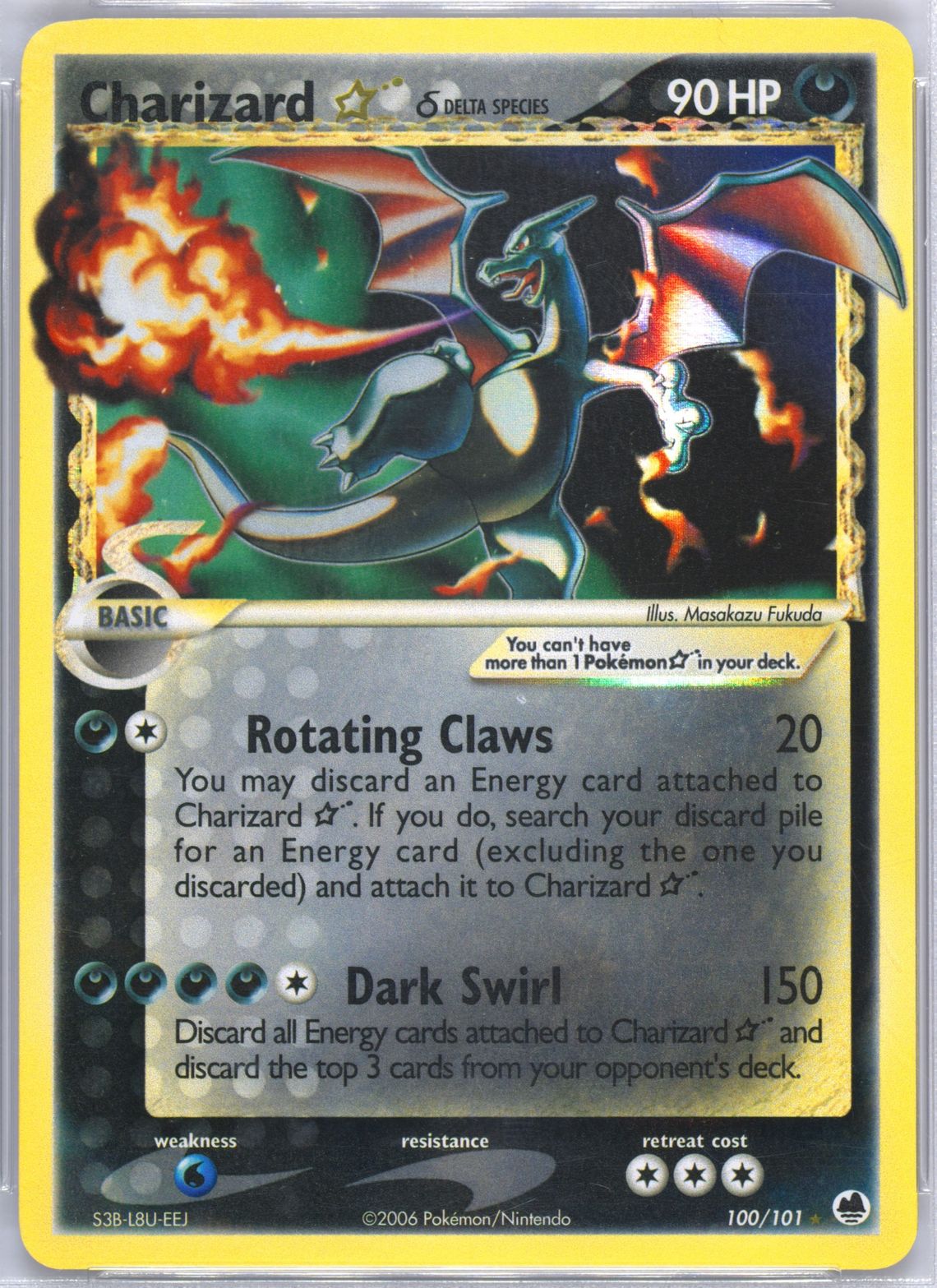
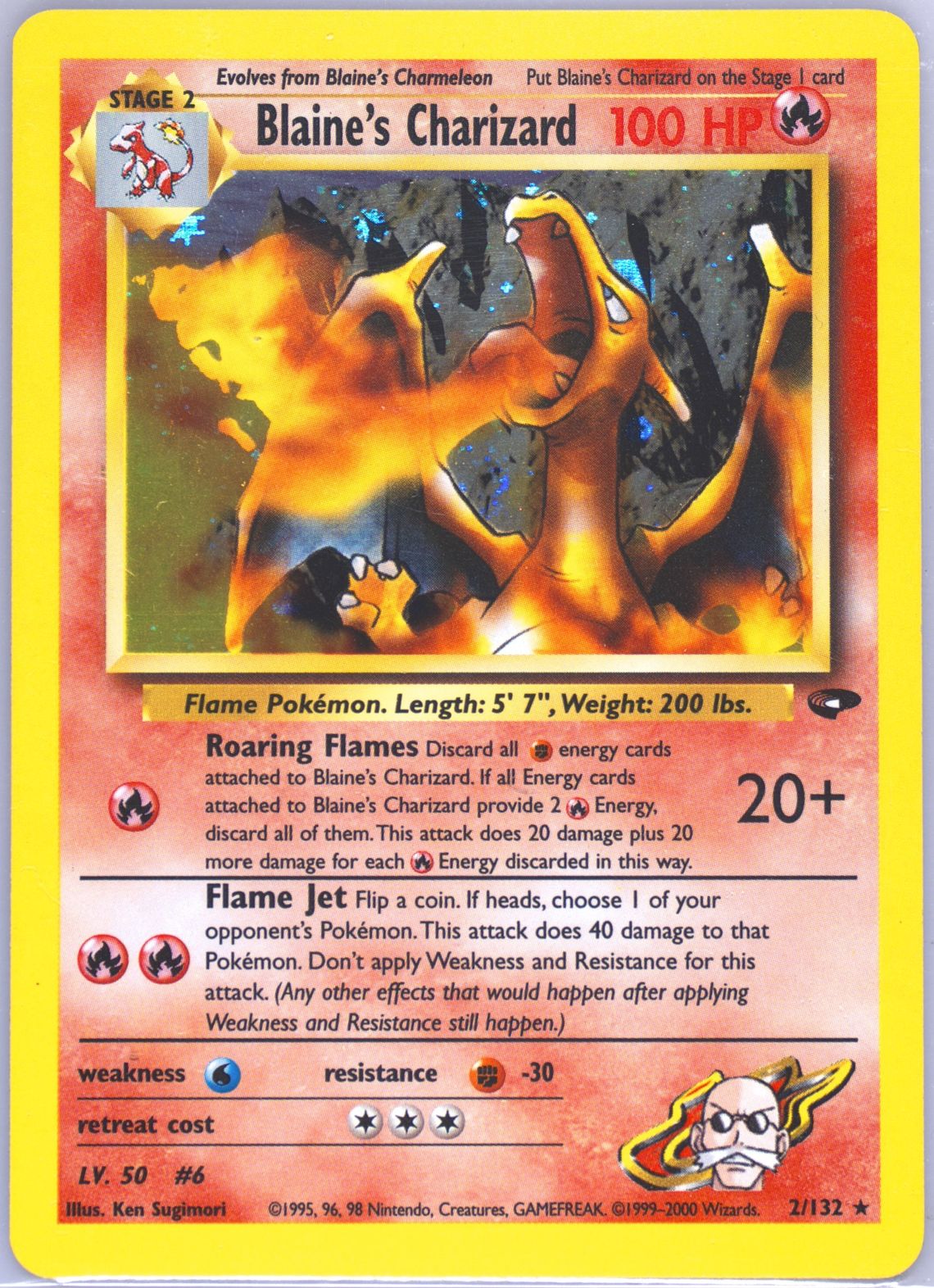
All of this means you should be choosing your selling platform based on how well it handles graded cards specifically — not just how well it handles Pokémon cards in general. A platform that's great for selling raw singles might be mediocre for slabs, and vice versa.
Misprint
We're biased here, obviously, but we built Misprint specifically because we were frustrated with selling graded cards on other platforms. So let us explain what we actually built and you can decide if it matters to you.
Cert verification is built in. When you list a graded card on Misprint, the certification number is tied to the listing. Buyers can verify the slab is real before they purchase. This isn't an afterthought or a text field you can optionally fill in — it's core to how the platform works.
Real-time market data on every listing. Every graded card listing on Misprint shows price history, recent sales, and population report data. This means buyers can see exactly what comparable slabs have sold for, which makes them more confident in pulling the trigger. For sellers, this means less back-and-forth negotiation and fewer lowball offers from people who don't know what they're looking at.
The bid system. This is the feature that, in our experience, actually moves slabs faster than anywhere else. You set your asking price, but buyers can also place bids below that price. On eBay, if nobody wants to pay your Buy It Now price, your listing just sits. On Misprint, you might get a bid that's $10-$20 below your ask, and you can decide whether to take it. We've sold a lot of graded cards through bids that would have sat for weeks on other platforms.
Fees: Misprint charges a 10% commission on sales. No listing fees, no insertion fees. Compared to eBay's ~13% all-in, that's meaningful money on a $200+ slab.
Where Misprint falls short: The buyer pool is smaller than eBay's. That's just reality for a specialized marketplace. For common PSA 9s and 10s of recent sets, this usually doesn't matter because there are plenty of buyers. For truly obscure slabs — like a CGC 8.5 of a random Japanese promo — you might need a broader audience.
For more on what makes the platform work, read why buy and sell Pokémon cards on Misprint.
eBay
eBay's biggest advantage for graded cards is the same as its advantage for everything else: the sheer number of eyeballs. If you have a rare slab that needs maximum exposure, eBay's auction format can genuinely produce the best results.
We've seen graded cards go for 20-30% above what we expected at auction on eBay, especially when a card is trending or recently got a lot of YouTube attention. The bidding war psychology is real, and eBay's massive user base means you can occasionally find two deep-pocketed collectors competing for the same slab.
Fees: About 13% all-in when you combine seller fees and payment processing. On a $500 card, that's $65 gone. It hurts.
The dispute risk: Even with graded cards, eBay's buyer-friendly dispute system can bite you. We've heard horror stories of buyers claiming slabs were tampered with or not as described, even when they clearly were. It's less common with graded cards than raw cards, but it still happens, and when it does on a $1,000+ slab, it can be devastating. Always ship with full insurance, signature confirmation, and photograph everything before it goes in the box.
Auction vs. Buy It Now: For high-end or trending graded cards, auctions can work really well on eBay. For standard PSA 9s and 10s of common modern cards, Buy It Now is usually the way to go. The market prices are too well-established for an auction to add much value.
When to use eBay for graded cards:
- Rare, high-value slabs where you want maximum exposure
- Trending cards where auction bidding wars are likely
- Obscure or niche graded cards that specialized platforms might not have demand for
TCGPlayer
TCGPlayer has been expanding its graded card section, and it's gotten better over the past year or so. But honestly, TCGPlayer's strength has always been raw singles, and its graded experience still feels like an add-on rather than a core feature.
The listing process for graded cards on TCGPlayer requires photos (unlike raw cards, which use stock images), and the search and filtering for graded cards isn't as refined as platforms built specifically for slabs. Buyers looking for graded cards on TCGPlayer often have to wade through raw card listings to find what they want.
Fees: 10-13% depending on seller level, plus $0.30 per transaction. Comparable to other platforms, but the $0.30 flat fee is annoying on lower-priced slabs.
Where TCGPlayer works for graded: If you're already a high-volume TCGPlayer seller with an established storefront and good feedback, listing your graded cards there alongside your raw inventory makes sense. Your existing customer base might grab a slab while they're buying singles from you.
Where it doesn't: If you're specifically trying to sell graded cards and you're not already embedded in the TCGPlayer ecosystem, there are better options. The graded card buyer on TCGPlayer is generally looking for a deal, not hunting for a specific slab. For a deeper platform comparison, check out our TCGPlayer vs eBay vs Facebook Marketplace breakdown.
PWCC and Goldin (Auction Houses)
If you're sitting on high-end graded cards — we're talking $2,000+ slabs — the big auction houses are worth considering. PWCC and Goldin are the two main players in the Pokémon card auction space, and they attract serious collectors and investors.
How it works: You consign your cards to the auction house. They photograph them, list them in a scheduled auction event, and handle everything from marketing to payment to shipping. You wait for the auction to close and collect your payout minus their commission.
PWCC fees: Typically 10-15% seller commission depending on the sale price and your agreement. They also offer a vault storage service where you can store cards and sell them without physically shipping them back and forth.
Goldin fees: Similar range, usually 10-20% depending on the item and auction format. Goldin tends to handle the highest-end cards and has gotten a lot of attention from mainstream sports card collectors crossing over into Pokémon.
The downside: These are not platforms for selling a $50 PSA 10 of a modern card. The consignment process takes time, auctions are scheduled (not instant), and the fee structures are designed for high-end items. If your slab is worth less than $500, the auction house model doesn't make much sense.
When to use auction houses:
- Slabs worth $2,000+
- Vintage graded cards (Base Set, Jungle, Fossil, etc.)
- PSA 10 population 1 or low-pop cards where scarcity drives bidding
For more detail on selling high-end cards specifically, check out our guide on the best platform to sell rare Pokémon cards.
Reddit and Discord Communities
Don't sleep on r/PokemonTCG, r/pkmntcgtrades, and dedicated Discord servers for selling graded cards. The transaction volume here is smaller, but the fees are basically zero (PayPal Goods & Services is about 3.5%), and you're selling directly to collectors who know exactly what they want.
The upside: Rock-bottom fees. Direct communication with buyers. Often faster sales than you'd expect for desirable cards. The community aspect means repeat buyers are common.
The downside: No built-in buyer or seller protection beyond PayPal disputes. You're responsible for your own photos, pricing, and shipping. Scammers exist, though established communities do a decent job of policing them. It's also just more manual work — there's no automated listing process, no market data on the page, and no cert verification.
Best for: Mid-range graded cards ($50-$500) where marketplace fees would eat into your profit, and where you're comfortable doing the work yourself. Also great for gauging interest in a card before listing it elsewhere.
How the Grading Company Affects Where to Sell
Not all grading companies are treated equally by buyers, and this should influence where you list your slabs.
PSA is still king. PSA-graded cards sell well on literally every platform. The brand recognition is universal, the cert lookup is easy, and buyers trust it. If you have PSA slabs, you have maximum flexibility in where you sell.
CGC has been gaining ground steadily, especially in the Pokémon space. CGC slabs sell well on Misprint and eBay. TCGPlayer's CGC support has improved but still lags behind PSA. If you're selling CGC-graded cards, we'd lean toward Misprint or eBay over TCGPlayer.
BGS (Beckett) is more niche in Pokémon. BGS is huge in the sports card world, but Pokémon collectors haven't embraced it the same way. BGS slabs tend to sell best on eBay where the sports card crossover audience is largest. A BGS 10 (Black Label) is a different story — those are rare enough and prestigious enough to sell well anywhere.
TAG is the newest major grading company and is still establishing itself. TAG-graded slabs will generally sell best on platforms where you can include context about TAG's grading standards and appeal to early adopters. eBay and Reddit/Discord are probably your best bets for now, though Misprint supports TAG slabs as well. We have a full comparison in our PSA vs TAG vs CGC vs BGS 2026 guide.
Our Recommendation by Price Range
After selling graded cards across all these platforms, here's how we'd break it down:
Under $50 slabs: Misprint or Reddit/Discord. The fees on eBay and TCGPlayer eat too much at this price point. Misprint's 10% commission is more palatable, and Reddit's near-zero fees are even better if you're willing to do the work.
$50-$500 slabs: Misprint for the bid system and market data, or eBay if you want maximum exposure. This is the sweet spot where Misprint's graded card features really shine — you get cert verification, price history, and active buyers without the brutal eBay fees.
$500-$2,000 slabs: eBay auction for trending or hyped cards, Misprint for cards with established market prices. At this price point, the difference between 10% and 13% fees is $15-$60, which adds up fast if you're selling multiple cards. Read our comparison of Misprint vs TCGPlayer vs eBay for more detail.
$2,000+ slabs: Consider PWCC or Goldin alongside Misprint and eBay. The auction house model starts making sense here because the curated auction events attract high-end buyers who might not be browsing everyday marketplaces. If you want to explore your options for premium cards, our guide on the best places to sell Pokémon cards covers the full landscape.
Tips for Selling Graded Cards on Any Platform
Regardless of where you list, a few things will help you get better prices:
Photograph your slabs properly. Even though the card is graded, buyers want to see the actual slab. Photograph the front, back, and label. Use good lighting. Don't use filters. A buyer who can clearly see the label and the card inside will pay more than one squinting at a blurry phone photo.
Include the cert number in your listing. On platforms that support it natively (like Misprint), this is automatic. On eBay or Reddit, make sure you include it in the description so buyers can verify the slab on the grading company's website.
Price based on actual sales, not listings. What other people are asking for a card doesn't matter nearly as much as what cards are actually selling for. Check recent completed sales on Misprint, eBay sold listings, and pop report data before setting your price.
Ship graded cards properly. Always in a box, never in a bubble mailer. Wrap the slab in bubble wrap or use a slab-specific shipping box. For cards over $100, ship with tracking and insurance. Over $500, add signature confirmation. Our guide to shipping Pokémon cards safely covers the details.
Cross-list strategically. There's no rule that says you can only list a card on one platform. We regularly list the same slab on Misprint and eBay simultaneously, then remove the listing from one platform when it sells on the other. Just make sure you actually remove it — double-selling a card is a nightmare you don't want to deal with.
Final Thoughts
Graded Pokémon cards are one of the most straightforward things to sell in the hobby — the authentication is done, the condition is objective, and the pricing is transparent. But the platform you choose still determines how much of that sale price you actually keep, how fast the card sells, and how painful the process is.
For most graded card sellers in 2026, we think Misprint and eBay should be your primary platforms, with auction houses reserved for high-end pieces and Reddit/Discord as a low-fee supplement. TCGPlayer works if you're already deep in that ecosystem, but it's not where we'd start for graded cards specifically.
The card already did the hard work of earning that grade. Make sure you're selling it somewhere that respects what it's worth.


