Best Place to Trade Pokemon Cards Online (Secure Platforms Compared)
Trading is back. But trust is still the hard part.
By Misprint Editorial | Published Feb 22, 2026 | 12 min read

You've got a card someone wants. They've got a card you want. Sounds simple until you remember you're both strangers on the internet.
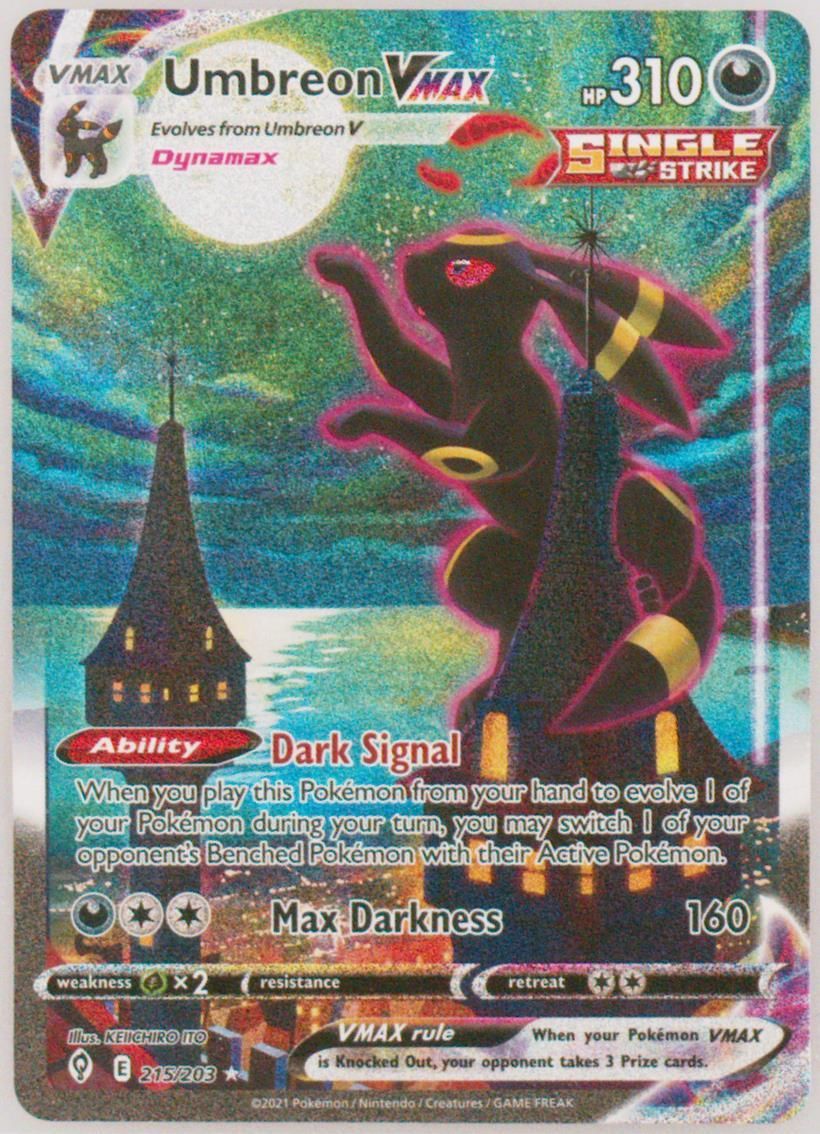
Trading Pokemon cards online should be straightforward. You find someone who has what you need, you agree on a swap, you both ship your cards, everyone's happy. In practice, it's one of the riskiest things you can do in the hobby. There's no escrow built into a Discord DM. There's no guarantee the person on the other end of a Reddit thread is going to actually mail you that Umbreon VMAX Alt Art they promised.
We've watched this space closely. We've seen the communities that work, the platforms that try, and the scams that keep happening despite everyone's best efforts. This guide breaks down every major option for trading Pokemon cards online in 2026, with honest assessments of each one's security, user base, and trade protections.
Let's get into it.
What "Trading" Actually Means Online
Before we compare platforms, we need to define what we're talking about. In the Pokemon card world, "trading" can mean a few different things:
- Direct card-for-card trades: The classic. You swap cards with no money involved. This is what most people think of when they hear "trading."
- Card + cash trades: One side adds money to balance out the trade. Common when one card is worth significantly more than the other.
- Facilitated selling/buying that mimics trading: Platforms like Misprint don't offer direct trades, but the bid system lets you essentially sell one card and buy another in a way that achieves the same result as a trade.
Each platform below handles one or more of these models differently. The key question is always: how do you avoid getting scammed?
Discord Trading Servers
Discord is, without question, the largest ecosystem for direct Pokemon card trading online. Tens of thousands of trades happen on Discord every month, and the infrastructure that communities have built is genuinely impressive.
The Big Servers
The servers you should know about:
- PokeTraders — One of the largest dedicated Pokemon card trading Discord servers. Strict verification process, mandatory photo documentation, and an active middleman team. They maintain a public trade reference system where completed trades build your reputation.
- Pokemon TCG Buy/Sell/Trade — A massive general-purpose server that handles buying, selling, and trading. The trade channels are active, though the buying/selling side tends to dominate.
- Virbank City Pokemart — Popular for both English and Japanese card trading. Good moderation, active community, strong middleman program.
- Card Cavern — Another well-established server with dedicated trading channels, organized by card type (vintage, modern, Japanese, sealed).
How Discord Trading Works
The typical flow:
- You post in a trade channel with photos of what you have and what you're looking for.
- Someone responds (or DMs you) with a potential trade offer.
- You negotiate terms — which cards are included, whether cash balances the trade, shipping arrangements.
- For high-value trades, you use a server middleman (more on this below).
- Both parties ship their cards.
- After both sides confirm receipt, you leave trade references for each other.
Security on Discord
Here's the honest truth: Discord trading is only as safe as the community running it. The best servers have strong protections:
- Verification systems: New members often need to provide photos of cards with timestamps, link social media accounts, or meet minimum server tenure requirements before trading.
- Trade reference systems: Bots track completed trades. A user with 200+ confirmed trades is significantly safer than someone with zero.
- Middleman services: For trades above a certain value (usually $50-100+), moderators will act as intermediaries. Both parties ship to the middleman, who verifies everything before forwarding the cards. This eliminates the "I shipped but they didn't" problem.
- Scammer lists: Shared databases of known scammers by Discord ID, Reddit username, and other identifiers.
Where Discord falls short: Everything runs on trust and volunteer moderation. Middlemen are unpaid community members doing this out of goodwill. If a moderator goes rogue (rare but it happens), the whole system breaks. There's no corporate entity backing your trade with a refund policy.
Our Recommendation for Discord
Use it, but be smart. For trades under $50, trade references are usually sufficient protection. For anything above that, always use a middleman. Never trade with accounts that are less than a month old or have zero references, regardless of how good the deal looks.
Reddit: /r/pkmntcgtrades
Reddit's dedicated Pokemon card trading subreddit has been around for years and remains one of the most structured peer-to-peer trading communities online. It's slower than Discord but arguably more organized.
How It Works
The subreddit has strict posting rules:
- Every post must include a timestamped photo of your cards.
- You list what you have and what you want.
- All negotiation happens in the comments (not DMs, which is a deliberate transparency measure).
- Completed trades are confirmed through a bot system that tracks your trade count.
Your trade flair (number of confirmed trades) is displayed next to your username. Someone with 100+ trades has a long track record. Someone with 0 is unproven.
Security on Reddit
Strengths:
- Public comment threads create a paper trail for every trade negotiation
- Flair system makes experience levels immediately visible
- Active moderation team that bans scammers quickly
- The Universal Scammer List (USL) is shared across multiple trading subreddits
Weaknesses:
- No middleman service built in (some users volunteer, but it's not formalized like Discord)
- PayPal Goods & Services is recommended for any cash component, but not enforced
- Reddit's DM system makes it easy for scammers to impersonate high-flair traders
- Response times are slower — a trade can take days to negotiate what Discord handles in hours
Tips for Reddit Trading
Always check a user's full trade history before agreeing to anything. Click their profile, look at their post history in the subreddit, and verify their flair number matches reality. Scammers have been caught creating fake flair by editing CSS, so cross-reference with the confirmation threads.
For the cash component of any trade, insist on PayPal Goods & Services (not Friends & Family). Yes, there's a small fee. That fee buys you PayPal's buyer protection. If someone insists on F&F only, walk away.
Facebook Trading Groups
Facebook groups remain surprisingly active for Pokemon card trading, despite Facebook Marketplace itself being a dumpster fire for cards. The group ecosystem is separate from Marketplace and runs on community moderation.
The Landscape
The biggest groups have 50,000-100,000+ members. Some of the most active:
- Pokemon TCG Buy Sell Trade (multiple groups with similar names — look for the ones with the most members and strictest rules)
- Pokemon Card Trading & Selling — General purpose, high volume
- Various set-specific and era-specific groups for vintage, Japanese, modern, etc.
Security on Facebook
The good: Facebook ties accounts to real identities (usually). This creates more accountability than anonymous Discord or Reddit accounts. Group admins maintain ban lists, and you can see a trader's full Facebook profile, including how old the account is and their activity history.
The bad: Facebook has no built-in trade protection. No middleman systems. No trade reference bots. It's just people posting in a group and hoping for the best. The scam rate in Facebook groups is higher than Discord or Reddit in our experience, partly because the barrier to entry is lower and partly because Facebook's massive user base includes a lot of people who don't know the safety protocols.
The ugly: Facebook groups are hard to search, posts get buried quickly, and the algorithm decides what you see. A great trade offer might scroll past you entirely while you see three posts about someone's "investment portfolio" of Prismatic Evolutions ETBs.
Should You Trade on Facebook?
Only if you're already embedded in a specific group with strong moderation. We wouldn't recommend it as your primary trading platform in 2026. The infrastructure just isn't there compared to Discord and Reddit.
Misprint's Bid System: Trading Without Trading
We don't offer direct card-for-card trades on Misprint. We've thought about it, and the honest reason we haven't built it is that secure peer-to-peer trading requires solving the dual-escrow problem — and every solution either adds enormous complexity or shifts risk to the platform.
What we do offer is something that achieves a similar economic result: sell your card on Misprint, then use those funds to buy the card you actually want.
How It Works as a "Trade"
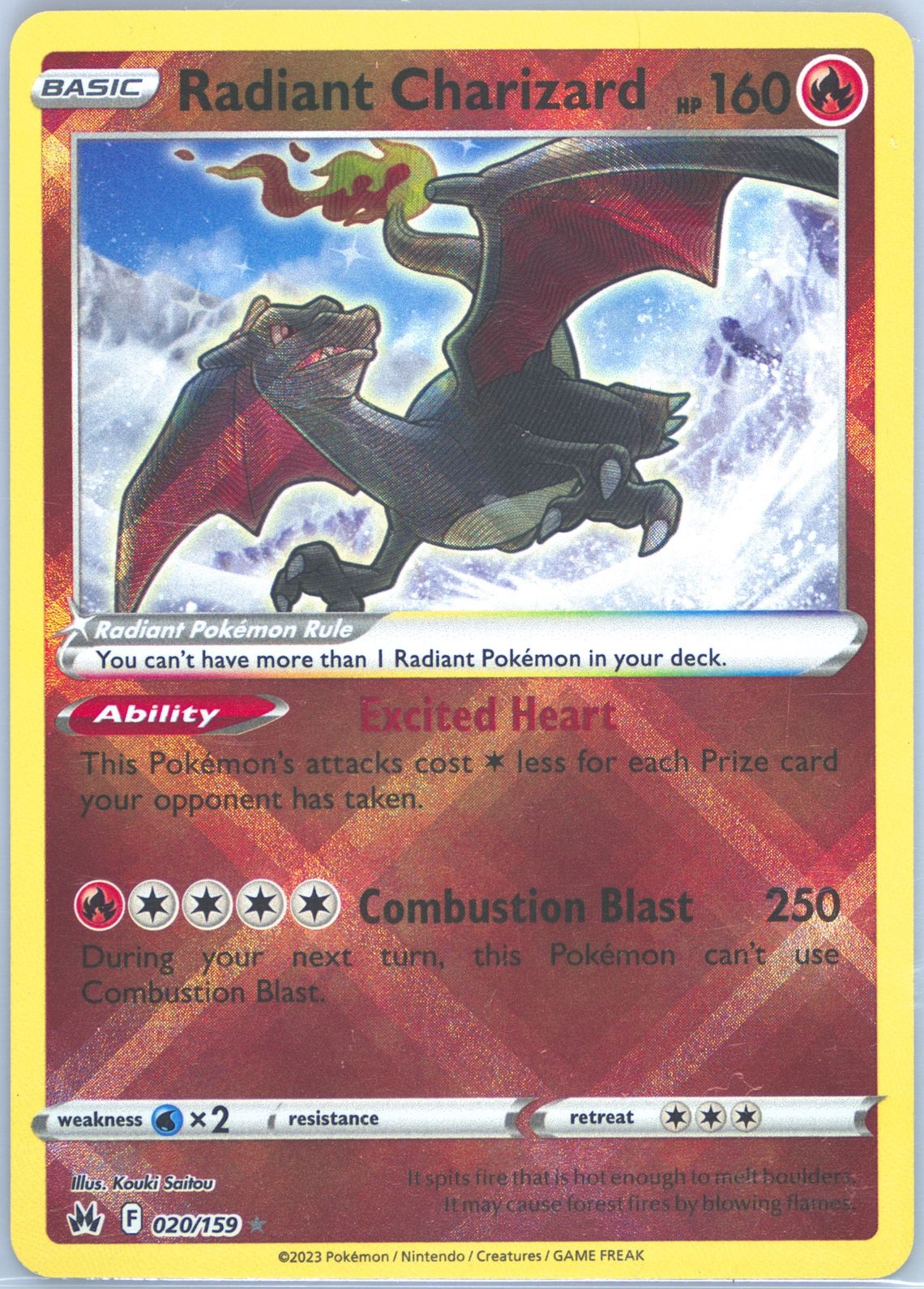
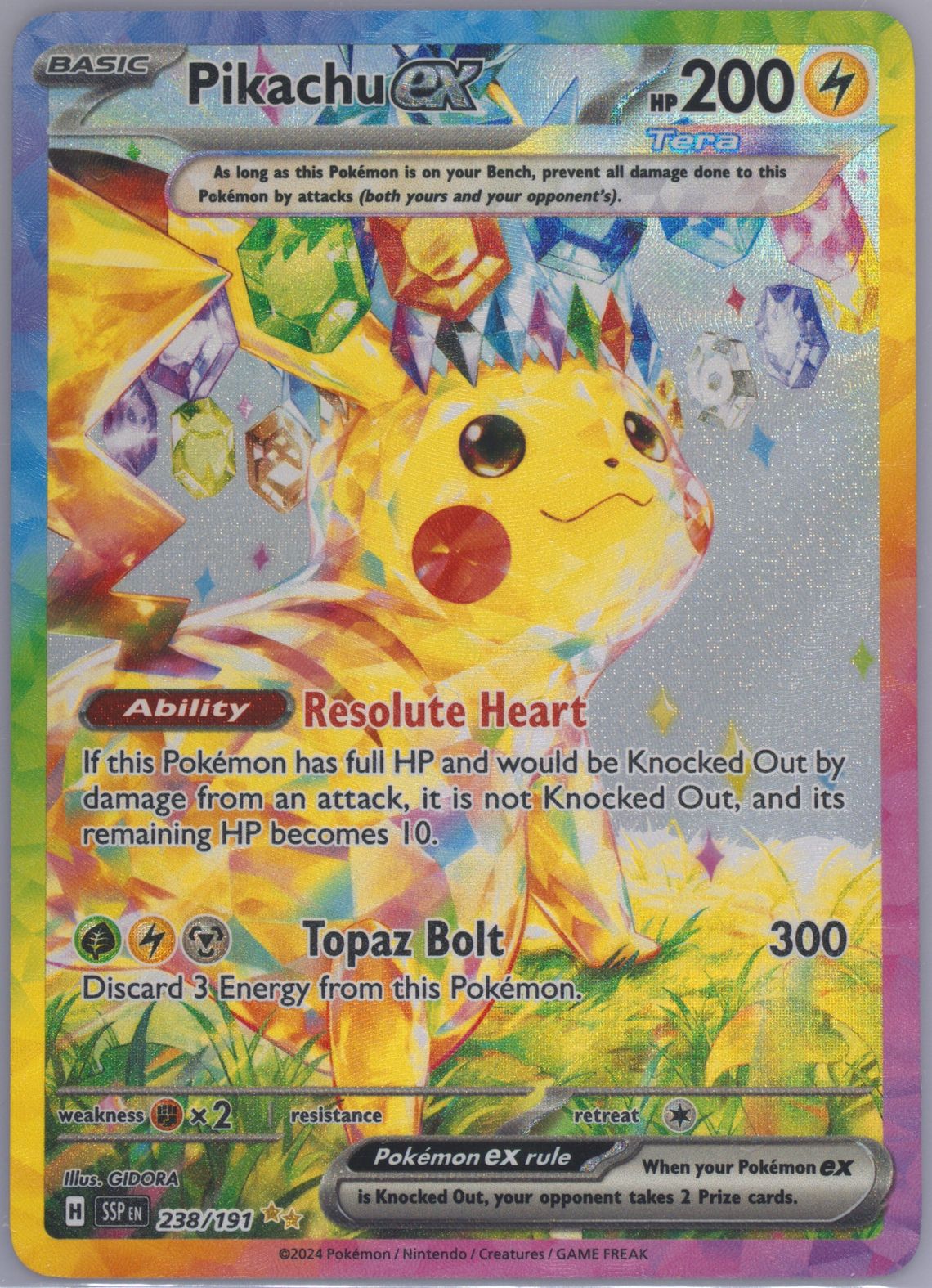
Say you have a Radiant Charizard that you value at around $8, and you want a Surging Sparks Pikachu EX SIR that's listed at $40. On a trading platform, you'd need to find someone who wants your exact card and has the card you want. The odds of that perfect match are low.
On Misprint, you list your Radiant Charizard for sale. Someone who actually wants it buys it for market price. You now have credit to put toward the Pikachu, and you can either pay the difference or place a bid at a price you're comfortable with. The seller of the Pikachu doesn't need to want your specific card. The market matches supply and demand without requiring a coincidence.
Where This Falls Short
It's not a trade. You're selling and buying, which means:
- You pay seller fees on the card you sell
- There's no way to do a true 1:1 swap without transaction costs
- It requires both sides of your "trade" to have active market participants
For common cards with active markets, this works brilliantly. For obscure cards that rarely sell, you might sit on a listing for a while. Check out our marketplace comparison guide for a deeper look at how the bid system compares to other buying and selling options.
TCGPlayer: Not Really a Trading Platform
We're including TCGPlayer because people constantly ask about trading on it, and the answer is simple: you can't. TCGPlayer is a marketplace for buying and selling, not trading. There's no mechanism to swap cards with another user.
That said, TCGPlayer serves the same function as Misprint's approach described above — sell your cards, buy the ones you want. The difference is in the fee structure and the type of inventory. TCGPlayer excels at raw singles, especially modern sets. If you're trying to "trade" modern raw cards, selling on TCGPlayer and buying what you need is a perfectly viable approach.
For graded cards, we think Misprint offers better pricing data and a better buying experience. For raw singles from recent sets, TCGPlayer has the deepest inventory. For a detailed comparison, see our platform comparison guide.
In-Person Trading at Events
We'd be remiss not to mention the original form of Pokemon card trading: showing up somewhere with your binder and making deals face to face.
Where to Trade In Person
- Pokemon League events — Weekly gatherings at local game stores. Trading is a core part of the culture.
- Pokemon Regional Championships and Internationals — Massive trading floors. Hundreds of binders, live negotiations, and the energy of thousands of collectors in one room.
- Local game store meetups — Many LGS locations host trading nights separate from official Pokemon events.
- Card shows and conventions — General trading card events where Pokemon is one segment.
Security at In-Person Events
In-person trading has one massive advantage: you can physically inspect every card before agreeing to anything. No photos to misrepresent condition. No shipping risk. No middleman needed.
The risks are different but still real:
- Condition disputes: "Near Mint" means different things to different people. Bring a loupe.
- Counterfeit cards: Fakes are getting better. Know the signs to look for before trading at events.
- Unequal trades: Kids especially can get pressured into bad trades by more experienced collectors. If you see it happening, say something.
- Theft: Keep your binder within arm's reach at all times. Seriously. Card theft at events is a real problem.
Pricing at Events
One of the biggest challenges with in-person trading is agreeing on card values. Both traders need a reference point. We recommend pulling up price data on your phone — checking recent sold prices on Misprint or TCGPlayer gives you a fair baseline. Don't rely on the other person's valuation alone, especially for cards you're less familiar with.
Safe Trading Practices (Regardless of Platform)
Whatever platform you choose, these rules apply everywhere:
1. Always Document Everything
Take screenshots of the trade agreement, including what each side is sending. Photograph your cards before shipping with a timestamp. Photograph the packaging process. This creates evidence if anything goes wrong.
2. Ship With Tracking (Always)
No exceptions. Even for $5 trades. A tracking number proves you shipped. Without it, the other person can claim they never received the package, and you have zero recourse. USPS First Class with tracking costs under $4. There is no excuse.
3. Use Proper Packaging
Penny sleeve, then toploader (or Card Saver), then a team bag or tape the toploader closed so the card can't slide out. Put it between two pieces of cardboard in a bubble mailer. We've seen people tape raw cards directly to a piece of paper and drop them in a plain envelope. Don't be that person.
4. Know the Card Values
Before agreeing to any trade, check current market prices. Not what the card was worth six months ago — what it's selling for right now. Our pricing guide covers how to read market data. The card price trends for 2026 can also help you understand whether a card is trending up or down.
5. Use Middlemen for High-Value Trades
Any trade involving cards worth $100+ should use a trusted middleman. Period. The inconvenience of shipping to a third party is nothing compared to losing a valuable card to a scammer.
6. Trust Your Gut
If something feels off — the deal is too good, the person is pressuring you to rush, they don't want to use a middleman — walk away. There will be other trades. There won't be another copy of your card once it's gone.

The Scam Landscape in 2026
We're not going to sugarcoat it: trading scams are still common. The most frequent ones we see:
- The ghost ship: Someone agrees to a trade, receives your card, then disappears without ever sending theirs. This is why middlemen exist.
- The condition bait-and-switch: The photos showed a clean card, but what arrived has a crease across the back. Always request detailed, high-resolution photos from multiple angles.
- The fake account impersonation: A scammer creates a Discord or Reddit account that closely mimics a well-known, trusted trader. They copy the profile picture, use a nearly identical username, and ride on the real trader's reputation. Always verify accounts through official channels.
- The "PayPal me first" scam: In cash-balanced trades, the scammer insists you send the cash component via PayPal Friends & Family before they ship. They take the money and vanish. Never use F&F with strangers.
If you get scammed, report it immediately to the platform moderators and add the scammer to community watchlists. It won't get your card back, but it might save the next person.
Which Platform Should You Use?
Here's our honest breakdown:
| Platform | Best For | Security | Risk Level |
|---|---|---|---|
| Discord (major servers) | Direct card-for-card trades, all values | Middlemen, reference systems | Low-Medium |
| Reddit /r/pkmntcgtrades | Structured trading with paper trail | Flair system, public negotiations | Medium |
| Facebook Groups | Casual local trading | Real identity accounts | Medium-High |
| Misprint | Selling + buying (economic equivalent of trading) | Full transaction protection | Low |
| TCGPlayer | Selling + buying raw singles | Marketplace buyer protection | Low |
| In-Person Events | Face-to-face trading | Physical card inspection | Low (for condition), Medium (for theft) |
If you want zero scam risk and don't mind paying transaction fees, sell on a marketplace and buy what you want. If you want the pure trading experience of swapping cards, Discord with a trusted middleman service is your best bet.
Final Thoughts
The Pokemon card trading landscape in 2026 is better than it's ever been in terms of infrastructure. Discord communities have built genuinely sophisticated trust systems. Reddit has years of scammer data. Marketplaces provide the safety net of buyer protection.
But at the end of the day, every direct trade still comes down to two people trusting each other. No amount of flair or references eliminates that fundamental reality. Be smart, be cautious, and protect your cards. The hobby is a lot more fun when you're not recovering from a scam.
If you're trying to figure out what your cards are worth before making trades, check out our guides on finding your collection's value and checking current card prices. Knowing your cards' exact market value is the first step to making fair trades.


