Where to Sell Pokemon Cards (2026 Guide: Highest Payout Platforms)
Ranked by what actually matters: how much money you keep.
By Misprint Editorial | Published Jan 8, 2026 | 11 min read

You sold a card for $100. Congratulations. Now here's the part nobody warned you about: how much of that $100 you actually get to keep.
We wrote a version of this guide back in 2025, and a lot has changed since then. Platforms have adjusted their fee structures, new options have emerged, and the Pokemon card market in 2026 looks meaningfully different than it did even twelve months ago. This time around, we're zeroing in on the thing that matters most to sellers: your net payout. Every dollar lost to fees, shipping costs, and platform friction is a dollar you don't get back.
We're going to walk through seven platforms, break down exactly what each one charges, and tell you which types of cards each platform handles best. We run Misprint, so we're one of the options here, and we'll be upfront about where we win and where we don't.
The Fee Math That Actually Matters
Before we get into individual platforms, let's establish the framework. When you sell a card, your take-home depends on three things:
- Platform fees (commission, payment processing, listing fees)
- Shipping costs (who pays, how much)
- Speed to sale (time is money; a card sitting unsold for three months has an opportunity cost)
A platform with 8% fees but slow sales might net you less than a platform with 12% fees that moves the card in two days, because card prices fluctuate and your money is tied up. We'll factor all of this in.
Platform-by-Platform Breakdown
1. Misprint
We'll go first so you can calibrate our honesty for the rest of the article.
Fee structure:
- 8% seller commission on completed sales
- No listing fees
- No payment processing fee on top of the commission (it's included)
- Shipping: $2.50 flat per seller order + $2.50 per graded/sealed item, $0 per raw card
What that looks like in practice:
- Sell a raw card for $50 → you keep $43.50 after commission and shipping ($46 minus $2.50 shipping)
- Sell a graded card for $500 → you keep $455 ($460 minus $5.00 shipping)
- Sell a $10 raw card → you keep $6.70 ($9.20 minus $2.50 shipping)
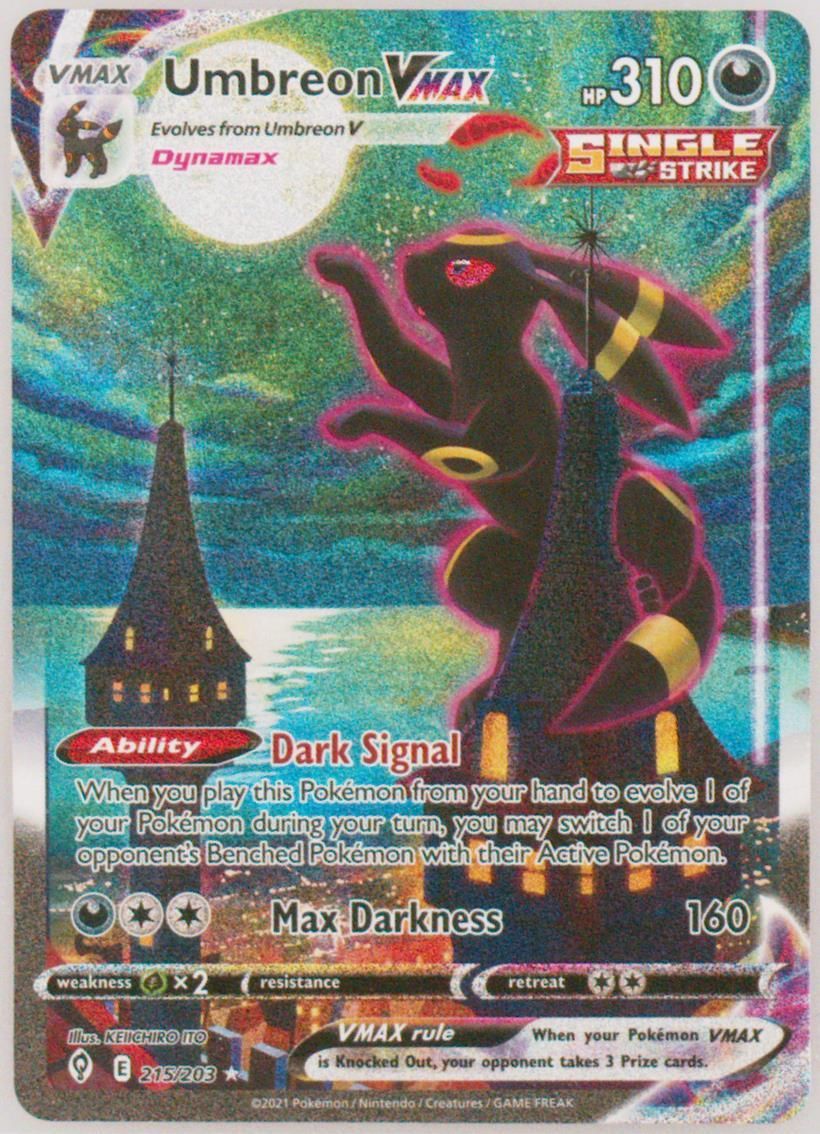
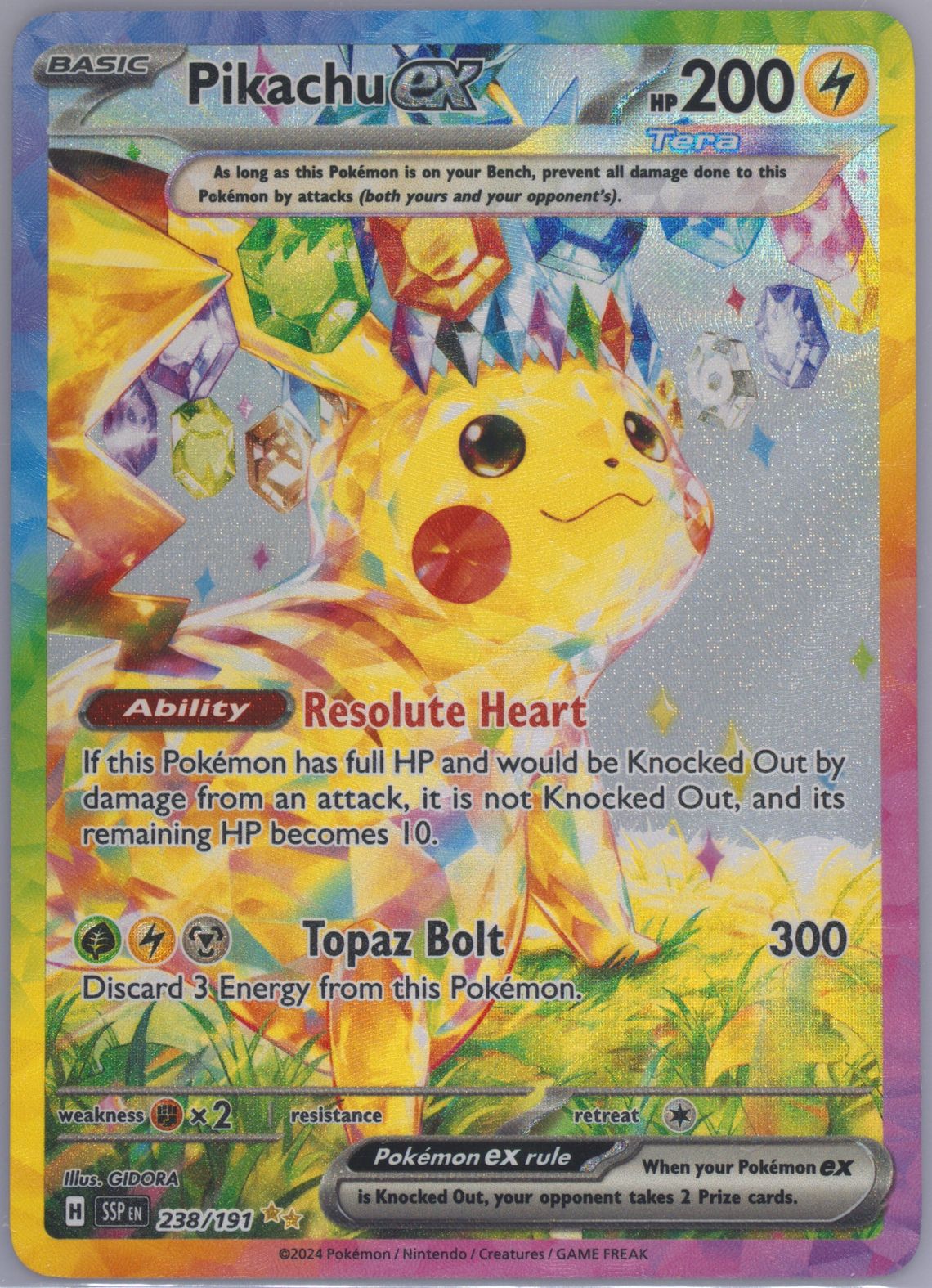
Speed to sale: Varies. For popular graded cards like a PSA 10 Umbreon VMAX Alt Art or a Surging Sparks Pikachu EX SIR, cards move within days to a couple of weeks. For more obscure stuff, it can take longer. The bid system helps a lot here because buyers can make offers below your asking price, so cards rarely just sit indefinitely.
Best for: Graded cards, mid-to-high value singles ($20+), sellers who want built-in market data and price history to inform pricing.
Weakest area: Bulk cards under $5. Our shipping minimum makes the math tough on cheap singles. If you have 200 cards worth $2 each, we're probably not the most efficient option right now. We're working on improving this.
2. TCGPlayer
TCGPlayer remains the go-to platform for moving raw singles at volume. Their catalog system means you don't need to take photos of every card, and the Cart Optimizer routes buyers to your listings even if you're not the absolute cheapest seller.
Fee structure:
- 10.25% commission for standard sellers
- 8.95% for Pro sellers (requires $500+/month in sales)
- Plus $0.30 per transaction
- Payment processing: included in commission
- Shipping: seller pays for PWE (plain white envelope) or tracked shipping depending on order value
What that looks like in practice:
- Sell a raw card for $50 → you keep
$44.08 after 10.25% + $0.30 (standard seller), minus shipping supplies ($0.75 for PWE) - Sell a raw card for $10 → you keep ~$8.38 after fees, minus shipping
- Sell a graded card for $500 → you keep
$448.45 after fees, minus tracked shipping ($4-5)
Speed to sale: Fast for in-demand raw singles. TCGPlayer's buyer pool for raw Pokemon cards is massive. If your price is competitive, popular cards sell within hours. Less popular cards can take weeks.
Best for: Raw singles, especially in the $3-$100 range. High-volume sellers who can qualify for Pro rates. Sellers who hate taking photos.
Weakest area: Graded cards. TCGPlayer's graded card experience is still clunky compared to eBay or Misprint. The search and filtering for specific grades and grading companies isn't great, and the buyer pool for slabs is smaller.
3. eBay
eBay is still the biggest marketplace on the planet, and for certain types of Pokemon card sales, nothing else comes close to the audience size.
Fee structure:
- 13.25% final value fee (standard category rate for trading cards)
- Plus $0.30 per order
- Payment processing: included
- Promoted listings: optional but increasingly necessary for visibility (adds 2-15% on top)
- Shipping: seller-funded or buyer-funded depending on listing
What that looks like in practice:
- Sell a card for $50 → you keep
$43.08 after 13.25% + $0.30, minus shipping ($4 for tracked) - Sell a card for $500 → you keep ~$433.45 after fees, minus shipping
- Sell a $10 card → you keep ~$8.08 after fees, minus shipping
If you're running promoted listings at even 5%, subtract another $2.50 on that $50 sale. It adds up fast.
Speed to sale: Depends heavily on whether you use auction or Buy It Now. Auctions on hyped cards can close within 7 days at strong prices. Buy It Now listings for less popular cards can sit for months.
Best for: Auctions on hyped/rare cards, sealed product (booster boxes, ETBs), obscure or niche items that need the largest possible audience.
Weakest area: The fee stack is the highest of any major platform. And the buyer protection system still heavily favors buyers in disputes. We've talked about this before and our feelings haven't changed.
4. Facebook Marketplace / Facebook Groups
Facebook remains the wild west of Pokemon card selling, and that's both its strength and its weakness.
Fee structure:
- Facebook Marketplace: 0% fees for local pickup, ~5% selling fee + payment processing for shipped items
- Facebook Groups: 0% fees (transactions happen via PayPal, Venmo, or Zelle between buyer and seller)
What that looks like in practice:
- Sell a card for $50 via Facebook Groups with PayPal G&S → you keep ~$47.53 after PayPal's 2.89% + $0.49 fee
- Sell a card for $50 via local meetup → you keep $50
- Sell a card for $500 via Facebook Groups → you keep ~$485.05 after PayPal fees
Speed to sale: Highly variable. Active groups can move cards fast, but you need to build reputation and be active in the community. Local meetups depend entirely on where you live.
Best for: Sellers with established reputation in groups, local sales where you can avoid all fees, mid-range cards ($20-$200) where saving on platform fees makes a real difference.
Weakest area: Zero buyer/seller protection in groups. If someone sends you a fake card or an empty envelope, you have essentially no recourse. PayPal Goods & Services offers some protection, but claims are a nightmare. We've seen countless scam stories in Pokemon card groups. Also, no built-in pricing data, so you need to know what your cards are worth before you list them. Check out our guide on how to tell if your Pokemon card is valuable before you start.
5. Local Card Shops (LCS)
Selling to your local card shop is the fastest way to convert cards to cash. Walk in, walk out with money. But it comes at a cost.
Fee structure:
- No platform fees (it's a direct sale)
- Shops typically offer 40-60% of market value for raw cards
- For graded cards, shops usually offer 60-75% of market value
- Some shops offer more in store credit than cash (often 10-20% more)
What that looks like in practice:
- Card worth $50 → shop offers $25-30 cash (or $30-35 store credit)
- Card worth $500 → shop offers $325-375 cash
- Bulk commons/uncommons → $5-10 per thousand (if they'll take them at all)
Speed to sale: Instant. This is the only option on this list where you leave with money in hand the same day.
Best for: People who want instant cash, sellers with large collections they don't want to list individually, bulk cards that aren't worth the effort of shipping. Also great if you want store credit to buy other cards.
Weakest area: You're leaving 25-50% of the card's value on the table. That's the cost of convenience. If you have a Base Set Charizard worth $300, getting $180 from a shop instead of $270 from an online platform is a significant difference. Read our take on selling individually vs. as a lot to decide if the convenience is worth it for your situation.
6. Consignment Services
Consignment services have grown a lot in the past year. You ship your cards to a company, they photograph, list, sell, and ship them for you, and you get a cut.
Fee structure:
- Typically 15-30% commission (varies by service and card value)
- Some charge flat fees per card for listing/photography
- Shipping to the consignment service is usually on you
- Many have minimum value requirements ($20-50 per card)
What that looks like in practice:
- Card worth $100 with 20% consignment fee → you keep $80, minus whatever you spent shipping it to them
- Card worth $1,000 with 15% consignment fee → you keep $850
Speed to sale: Slow. You're waiting for your cards to be received, processed, photographed, listed, sold, and then for your payout. Total timeline can be 4-8 weeks from when you ship to when you get paid.
Best for: Sellers with valuable collections who don't have time or interest in doing the work themselves. If you inherited a collection worth $5,000+ and you don't know anything about Pokemon cards, a consignment service handles everything.
Weakest area: The combined cost of commission plus shipping plus wait time makes this the least efficient option financially. You're paying a premium for convenience.
7. Reddit and Discord
The Pokemon card communities on Reddit (r/pkmntcgtrades) and Discord have active trading channels. These are peer-to-peer transactions, similar to Facebook groups but with different community dynamics.
Fee structure:
- 0% platform fees
- PayPal Goods & Services: 2.89% + $0.49 per transaction (standard for trades requiring buyer protection)
- Some experienced traders use Friends & Family (0% fees but zero protection)
What that looks like in practice:
- Card worth $50 via PayPal G&S → you keep ~$47.53
- Card worth $50 via PayPal F&F → you keep $50 (but you're trusting a stranger)
Speed to sale: Moderate. Active subreddits and Discord servers have good traffic, but you need established reputation (flair, trade history) to sell effectively. New accounts will have a harder time.
Best for: Experienced traders with established reputation, niche/obscure cards that benefit from a knowledgeable community audience, people who enjoy the trading community aspect.
Weakest area: Scam risk is real if you're new. Building reputation takes time. No built-in dispute resolution. And you need to do your own pricing research, take your own photos, and handle shipping logistics yourself.
The Comparison Table
Here's the quick-reference version for a $100 card sale:
| Platform | Fees | You Keep (on $100 sale) | Speed | Best For |
|---|---|---|---|---|
| Misprint | 8% | ~$87 | Days-weeks | Graded cards, $20+ singles |
| TCGPlayer | 10.25-8.95% + $0.30 | ~$85-87 | Hours-days | Raw singles, volume |
| eBay | 13.25% + $0.30 | ~$82 | Days-weeks | Auctions, sealed, niche |
| Facebook Groups | ~2.9% (PayPal) | ~$94 | Variable | If you have reputation |
| Local Card Shop | 40-60% buyback | ~$50-60 | Instant | Quick cash, bulk |
| Consignment | 15-30% | ~$70-85 | 4-8 weeks | Hands-off sellers |
| Reddit/Discord | ~2.9% (PayPal) | ~$94 | Variable | Experienced traders |
So Where Should You Actually Sell?
There's no single best answer. It depends on what you're selling.
If you have graded cards worth $50+: We'd recommend Misprint or eBay. Misprint if you want lower fees and built-in market data. eBay if you want the largest possible audience or are selling something very niche. You can read more about how card pricing works to make sure you're pricing correctly on either platform.
If you have a stack of raw singles: TCGPlayer is hard to beat for volume. The catalog system and Cart Optimizer are genuinely excellent for moving a lot of cards efficiently.
If you have one really expensive card ($500+): Read our dedicated guide on selling rare Pokemon cards for a deeper dive on this. The short version: authentication and buyer trust matter more than fee percentages at this level.
If you need cash today: Local card shop. Accept the lower payout as the cost of instant liquidity.
If you're comfortable with peer-to-peer risk: Facebook groups and Reddit/Discord offer the lowest fees by far. Just protect yourself. Use PayPal Goods & Services, get tracking on everything, and don't ship to new accounts without protection.
If you have a large collection and zero interest in doing the work: Consignment. You'll pay for it, but your time has value too.
What Changed Since 2025
A few notable shifts since our last version of this guide:
- eBay's fees crept up again. They were at ~12.9% in early 2025; they're at 13.25% now for the trading card category. Small increase, but it adds up over hundreds of sales.
- TCGPlayer Pro tier thresholds shifted. The $500/month requirement to hit Pro rates is more accessible than the previous structure, which helps mid-volume sellers.
- Misprint expanded beyond graded cards. Raw singles and sealed product are now fully supported, which makes us a more complete option than we were when the last guide went out. We're also handling more volume, which means faster sales on popular cards.
- Facebook Marketplace started charging fees on shipped items. Used to be free. Now there's a ~5% cut on non-local transactions. Groups are still free, but Marketplace itself is no longer the zero-fee option it used to be.
A Quick Note on Shipping
Shipping is the hidden cost that kills margins on cheap cards. We wrote a full guide on how to ship Pokemon cards safely, but the quick version:
- PWE (Plain White Envelope): ~$0.75 total cost. Fine for raw cards under $20. Not insured.
- Bubble mailer with tracking: ~$3.50-4.50. Necessary for cards over $20 or any graded card.
- Small box with tracking: ~$5-8. Required for graded cards or multiple items.
On a $5 card, $4 in shipping costs means you're keeping almost nothing after platform fees. This is why we generally recommend against listing very cheap singles on platforms that require tracked shipping. Either batch them into lots, sell them locally, or use TCGPlayer's PWE option for low-value raw singles.
Final Thoughts
The "best" platform to sell Pokemon cards in 2026 is whichever one puts the most money in your pocket for the specific cards you're selling. That sounds obvious, but we constantly see people default to one platform for everything when they'd be better off splitting their inventory across two or three.
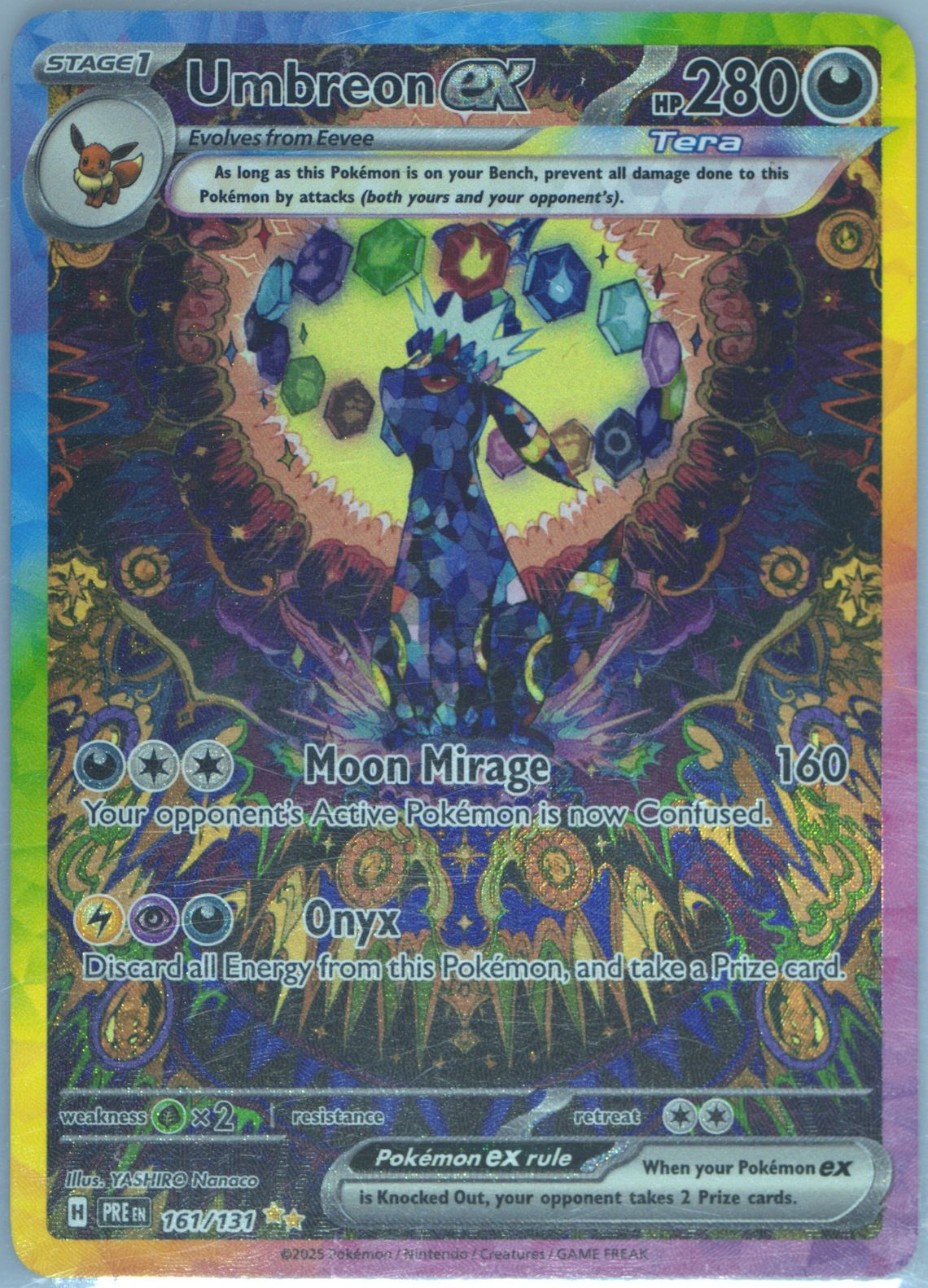
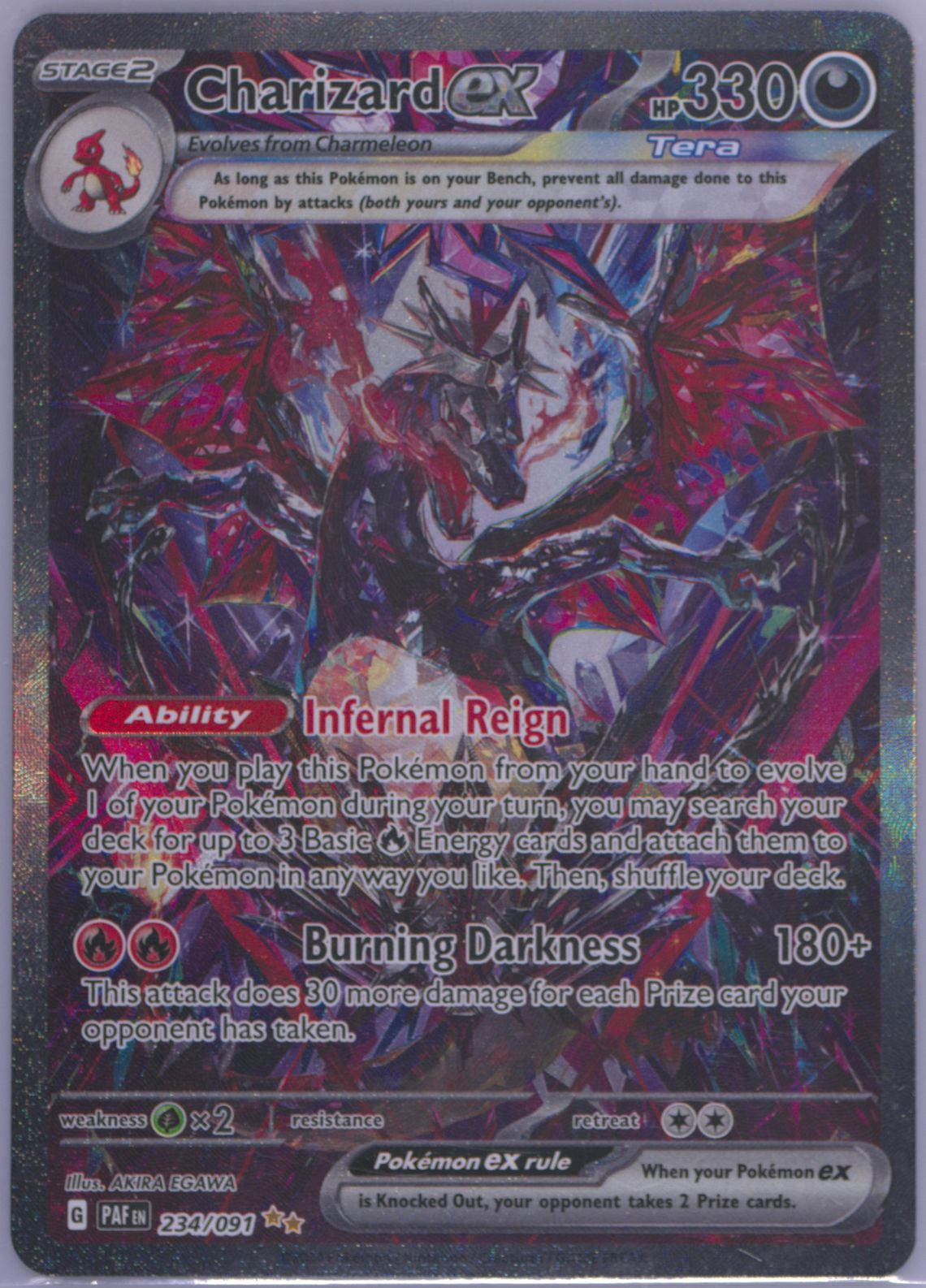
Graded Prismatic Evolutions Umbreon ex SIR you pulled and got graded? That's a Misprint or eBay card. Stack of fifty raw trainer cards from the latest set? TCGPlayer. Vintage bulk from your childhood? Local card shop or a Facebook group. Matching the card to the platform is how you maximize what you keep.

We update this guide as platforms change their fee structures, so bookmark it and check back. And if you've had a particularly good or bad experience selling on any of these platforms, we genuinely want to hear about it. Our perspective is shaped by our own selling habits, and we know we have blind spots.


