PSA vs TAG: Is TAG Worth It Yet?
TAG is growing fast. But can it compete with the gold standard?
By Misprint Editorial | Published Mar 16, 2026 | 10 min read

TAG is the fastest-growing grading company in the hobby. PSA is the most trusted. One of them costs almost twice as much as the other — and it might still be the better deal.
This is the grading debate of 2026. PSA has been the default for decades. TAG burst onto the scene in 2022 with AI-assisted grading, lower prices, and turnaround times that make every other company look like they're running on dial-up. The question isn't whether TAG is legitimate anymore — it is. The question is whether TAG is worth it for your specific cards and situation.
We've submitted identical cards to both PSA and TAG over the past year to see how the grades, resale values, and overall experience compare. Here's everything we found.
The Core Difference in Philosophy
Before we get into numbers, it's worth understanding what makes these companies fundamentally different.
PSA is the establishment. Founded in 1991, they've graded hundreds of millions of cards. Their brand is the closest thing to a universal standard in the hobby. When someone says "gem mint 10," most people picture a PSA slab. That brand recognition directly translates to dollars — buyers pay more for PSA because they trust PSA, and they trust PSA because everyone else trusts PSA. It's a self-reinforcing cycle that's very hard to break.
TAG is the disruptor. Founded in 2022, they've built their grading process around AI and computer vision. Where PSA relies primarily on experienced human graders with loupes, TAG runs every card through machine learning analysis that measures centering, surface quality, edge whitening, and corner sharpness at a level of precision no human eye can match. A human grader still makes the final call, but they're working with significantly more data. TAG also assigns a 1000-point "TAG Score" alongside the standard 1-10 grade, giving much more granularity about a card's condition.
These are genuinely different approaches to the same problem, and each has real advantages.
Cost Comparison
| Service Level | PSA | TAG | Savings with TAG |
|---|---|---|---|
| Economy | $20/card | $12-15/card | 25-40% |
| Standard | $50/card | $18-22/card | 56-64% |
| Express | $75/card | $35-50/card | 33-53% |
| Super Express | $150/card | $50-75/card | 50-67% |
| Walk-Through | $300-600/card | N/A | — |
TAG is cheaper at every tier, often dramatically so. The standard tier is where the gap is widest — $50 at PSA vs. $18-22 at TAG. For economy, the $8 per-card difference is the most relevant number for most collectors since that's where the bulk of submissions happen.
Turnaround Time Comparison
| Service Level | PSA | TAG |
|---|---|---|
| Economy | 90-120 business days | 15-30 business days |
| Standard | 45-60 business days | 7-15 business days |
| Express | 15-20 business days | 3-5 business days |
| Super Express | 5-10 business days | 2-3 business days |
This is where TAG absolutely dominates. TAG's economy turnaround (15-30 business days) is faster than PSA's express tier. Let that sink in. You can get economy-priced TAG grading back before PSA's express service even ships your cards.
For people who've waited 4+ months for PSA economy orders, TAG's speed feels almost surreal. We submitted a batch of 15 cards to TAG economy in January and had them back, graded and slabbed, in 19 business days. A comparable PSA economy submission from the same period is still outstanding as of this writing.
The PSA Premium: What It Actually Looks Like
Now for the part that keeps PSA in business despite being slower and more expensive: resale value.
A PSA 10 slab sells for more than a TAG 10 slab of the same card. This is a fact, and it's a significant difference. Here's what we're seeing in early 2026:
Modern Cards
| Card | PSA 10 Sale Range | TAG 10 Sale Range | PSA Premium |
|---|---|---|---|
| Prismatic Evolutions Umbreon ex SIR | $270-320 | $180-210 | +33-52% |
| Surging Sparks Pikachu ex HR | $62-78 | $42-50 | +40-56% |
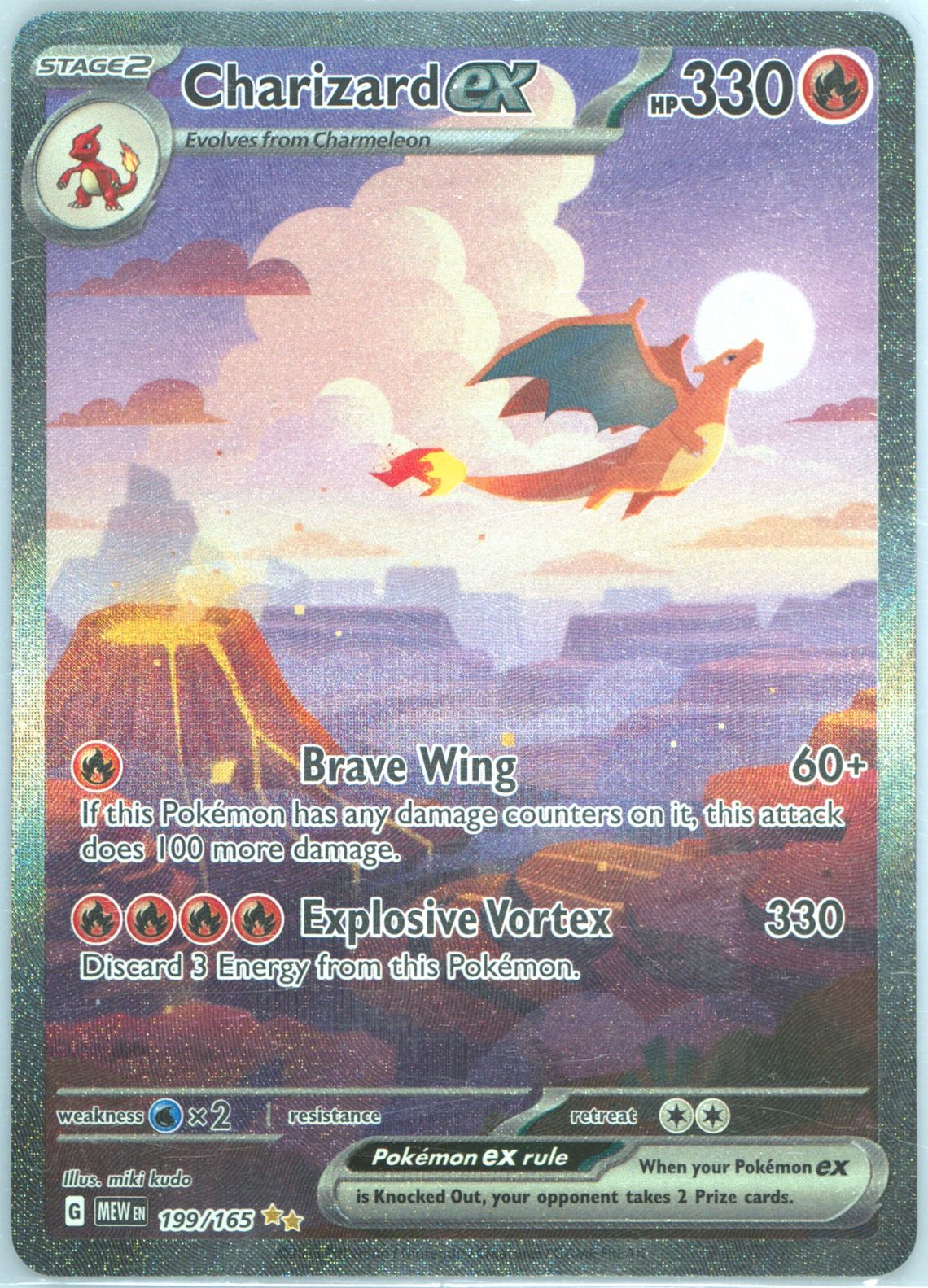
| 151 Charizard ex SIR | $185-220 | $115-135 | +50-63% |
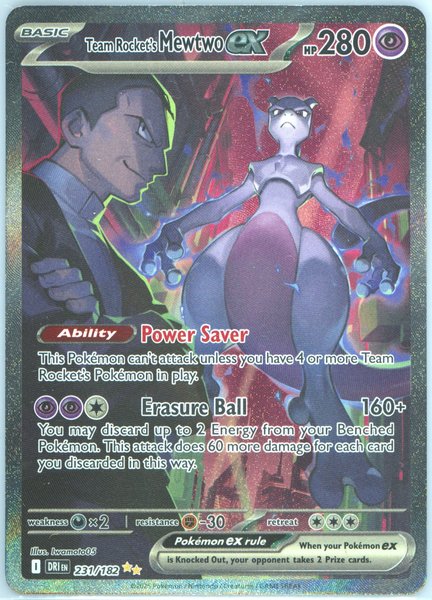
| Destined Rivals Mewtwo SIR | $82-100 | $55-68 | +38-47% |

Higher-Value Cards
| Card | PSA 10 Sale Range | TAG 10 Sale Range | PSA Premium |
|---|---|---|---|
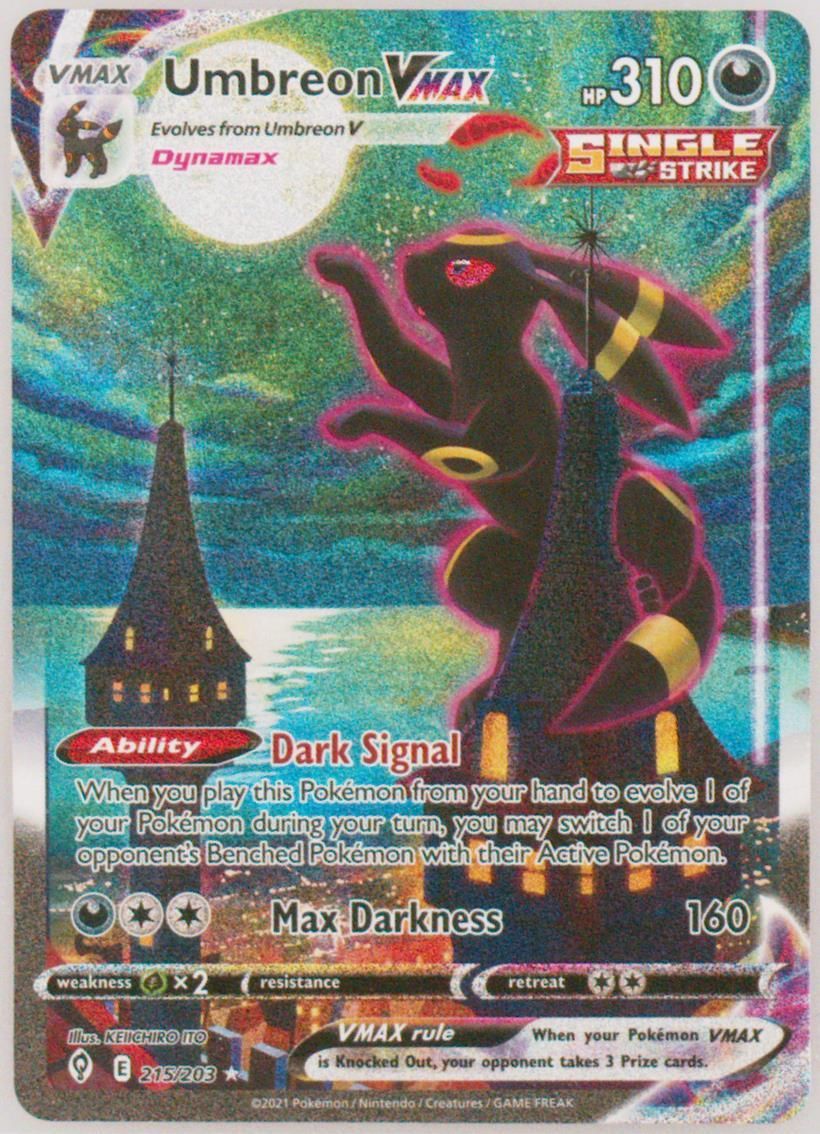
| Umbreon VMAX Alt Art | $550-650 | $350-410 | +45-59% |
| Base Set Charizard | $4,500-6,000+ | $2,500-3,500 | +60-80% |
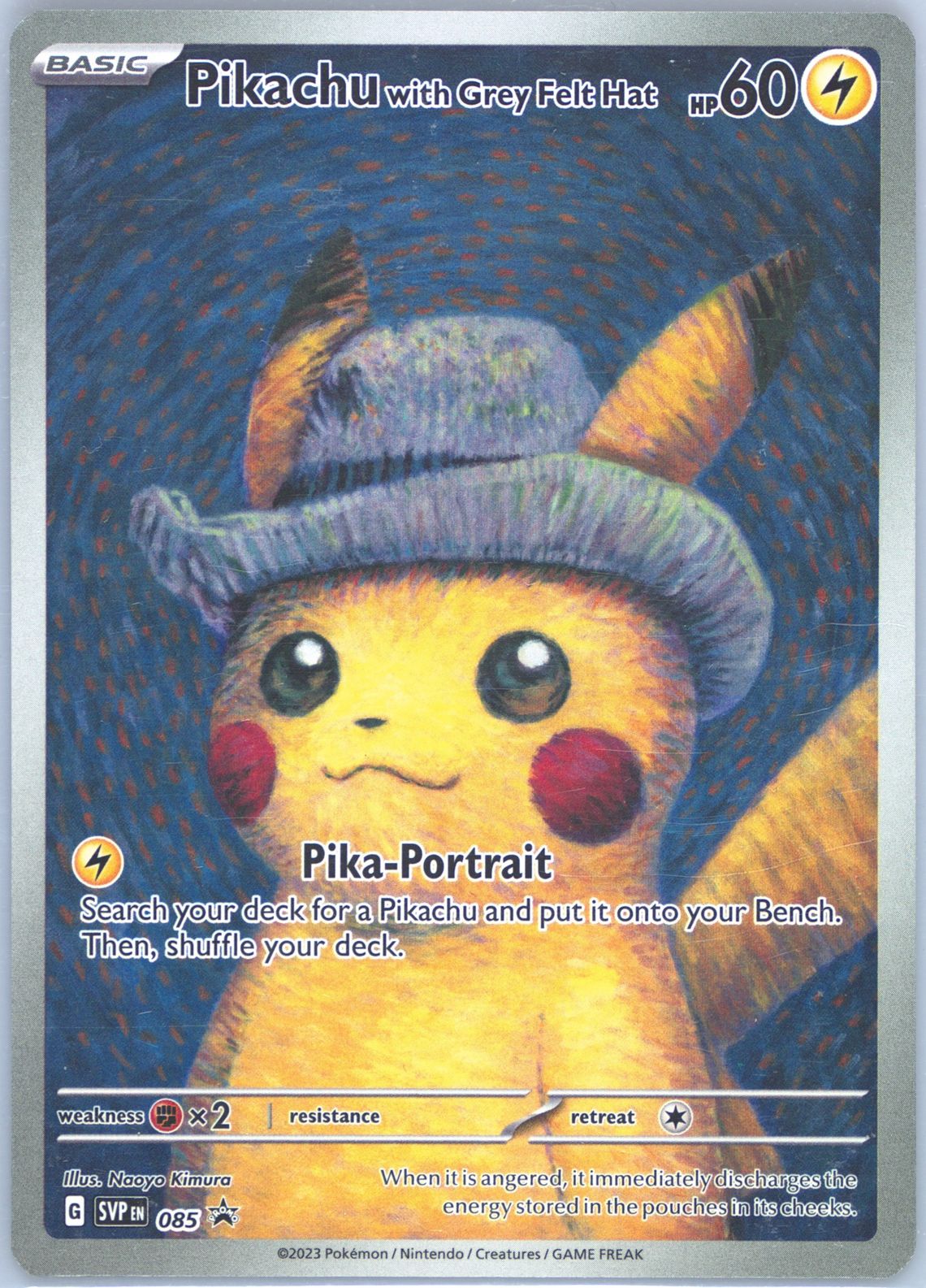
| Van Gogh Pikachu | $95-115 | $62-75 | +40-53% |

The pattern is clear: PSA commands a 35-60% premium over TAG for most Pokémon cards, with the gap widening for vintage and high-value cards. Base Set Charizard shows the most extreme difference — PSA's dominance in the vintage market is absolute.
For modern cards, the premium is somewhat smaller but still substantial. A 35-50% premium means a card that sells for $100 in a PSA slab goes for $65-75 in a TAG slab.
The Breakeven Analysis: When Does PSA Pay for Itself?
Here's the analysis most articles skip. PSA costs more to grade but gets you more when you sell. At what point does the PSA premium generate enough extra money to cover the extra grading cost?
The Formula
PSA makes financial sense when: (PSA 10 sale price - PSA grading fee) > (TAG 10 sale price - TAG grading fee)
Or, rearranged: PSA premium in dollars > PSA grading fee - TAG grading fee
With economy pricing ($20 PSA, $13 TAG average), the breakeven point is when the PSA premium exceeds $7.
Working Through the Numbers
Card raw value: $20
- PSA 10 expected sale: ~$42
- TAG 10 expected sale: ~$30
- PSA net: $42 - $20 - $20 = $2
- TAG net: $30 - $20 - $13 = -$3
- Winner: PSA (+$5) — but $2 profit is barely worth the effort
Card raw value: $40
- PSA 10 expected sale: ~$82
- TAG 10 expected sale: ~$56
- PSA net: $82 - $40 - $20 = $22
- TAG net: $56 - $40 - $13 = $3
- Winner: PSA (+$19)
Card raw value: $75
- PSA 10 expected sale: ~$150
- TAG 10 expected sale: ~$102
- PSA net: $150 - $75 - $20 = $55
- TAG net: $102 - $75 - $13 = $14
- Winner: PSA (+$41)
Card raw value: $150
- PSA 10 expected sale: ~$295
- TAG 10 expected sale: ~$195
- PSA net: $295 - $150 - $20 = $125
- TAG net: $195 - $150 - $13 = $32
- Winner: PSA (+$93)
The Uncomfortable Truth
If you're grading to sell, PSA wins the math at basically every price point where grading makes financial sense at all. The PSA premium (35-60%) so dramatically outweighs the grading cost difference ($7) that TAG can't compete on net return for resale.
The only scenario where TAG's economics work for resale is:
- Very low-value cards ($10-15 raw) where neither company produces meaningful profit
- Time-sensitive situations where TAG's speed lets you sell at a higher market price than you'd get months later with PSA
For cards you're keeping in your collection, the math is completely different — you're not selling, so resale value doesn't matter, and TAG saves you money and time.
Where TAG Genuinely Wins
PSA wins the resale math, but grading isn't always about resale. TAG has real, concrete advantages:
1. Turnaround Time (Unbeatable)
We keep coming back to this because it matters that much. If you pull something incredible from a pack and want it graded, TAG can have it back to you in 2-3 weeks. PSA will take 3-4 months minimum. For impatient collectors (most of us), that's a big deal.
The speed also matters for new releases. When a new set drops, the first graded copies command a premium because supply is limited. TAG lets you be among the first sellers of graded copies. PSA locks your cards away for months.
2. The TAG Score
The 1000-point TAG Score is genuinely useful information that PSA simply doesn't provide. A TAG 10 with a score of 992 is a better card than a TAG 10 with a score of 955, and having that data point helps you understand exactly where your card stands.
For personal collections, the TAG Score adds a layer of enjoyment. You can compare scores across your cards, chase high-scoring copies, and get a much more detailed picture of your collection's quality.
3. AI Consistency
Human graders have bad days. They also have subjective biases, even with training. TAG's AI-assisted process introduces a level of consistency that pure-human grading struggles to match. When TAG says a card has 52/48 centering, that's a measured fact, not an estimate.
Is this a guarantee that TAG grading is "more accurate" than PSA? Not necessarily — accuracy in grading is partly subjective. But the consistency argument is real, and it matters for collectors who want to know their 10 wasn't a borderline call that could have gone either way.
4. Cost for Bulk Submissions
If you're grading 50 cards at economy, the difference is $350 (PSA at $1,000) vs. $650 (TAG at $650). That's $350 saved. For cards you're keeping, that $350 buys a lot of packs.
5. The Slab and Verification
TAG's slab includes a QR code that links to the card's full grading details online — images, TAG Score, grade breakdown. It's a modern touch that makes authentication simple and transparent. PSA's cert verification works fine, but TAG's implementation feels more current.
Where PSA Still Dominates
1. Resale Value (It's Not Close)
We've beaten this into the ground, but it bears repeating. If you're grading to sell, PSA puts more money in your pocket after grading fees for any card with meaningful value. The 35-60% premium is enormous.
2. Vintage Cards
For anything printed before the modern era — Base Set, Jungle, Fossil, Neo Genesis, e-series — PSA is the only serious choice for resale. The vintage market is almost entirely denominated in PSA grades. A Base Set Charizard in a TAG slab is going to have a small buyer pool compared to the same card in a PSA slab.
If you have vintage cards worth grading, send them to PSA. Full stop.
3. Market Liquidity
PSA slabs sell faster. The buyer pool is larger. If you list a PSA 10 of a popular card on eBay, it will sell within days. The same card in a TAG slab might take weeks, especially if it's not a top chase card.
For people who want to sell quickly at fair market value, this liquidity difference is worth real money. A card that takes 3 weeks to sell ties up your capital and may require price reductions.
4. The Pop Report and Registry
PSA's population report — tracking how many of each card have been graded at each grade level — is a genuinely valuable tool for the market. It helps establish rarity of gem mint copies and gives buyers confidence in pricing. PSA's registry program also drives demand from set builders.
TAG has a population database but it's much smaller given their shorter history. Over time this will fill out, but right now PSA's data advantage is real.
5. Institutional Trust
Auction houses, high-end collectors, and investment-focused buyers overwhelmingly prefer PSA. If you're selling a $5,000+ card, PSA is essentially required. Nobody is putting a TAG slab in a Heritage Auction consignment.
This may change over years or decades, but in 2026, the high end of the market belongs to PSA completely.
Our Decision Framework
After months of submitting to both companies, here's how we think about PSA vs. TAG:
Send to PSA when:
- The card is worth $50+ raw and you plan to sell it (the premium covers the cost easily)
- It's vintage (any card from 2005 or earlier)
- It's a high-end chase card that collectors actively seek in PSA slabs
- You want maximum liquidity when it's time to sell
- You're building a PSA registry set
Send to TAG when:
- The card is worth under $30 raw (the grading cost is a bigger factor, and the PSA premium produces minimal absolute profit)
- You're grading for your personal collection (resale doesn't matter; save money and time)
- You need cards back fast (new set releases, gifts, personal enjoyment)
- You're grading in bulk and want to minimize total cost
- You value the TAG Score data for your collection
The Gray Zone: $30-50 Raw Cards
Cards in this range are where the decision is hardest. PSA will produce a higher net return on paper, but the absolute dollar difference is modest ($15-25 more profit). If you're grading a few of these, PSA is fine. If you're grading a lot of them, TAG's cost savings across the batch might make more sense for your cash flow, especially if you can sell TAG slabs while PSA submissions are still pending.
Is TAG Worth It Yet?
The honest answer: it depends on what "worth it" means to you.
For resale: TAG is not worth it yet for most cards with meaningful value. The PSA premium is too large and too consistent. TAG needs to close the resale gap significantly — probably to within 10-15% of PSA — before it makes financial sense for resale on mid-to-high value cards. We don't see that happening in 2026, but 2027-2028 is plausible if TAG's growth trajectory continues.
For personal collection: TAG is absolutely worth it and has been for a while. The combination of lower cost, dramatically faster turnaround, and the TAG Score makes it the best choice for cards you're keeping. There's no reason to pay more and wait longer for a slab you're putting in your display case.
For the hobby overall: TAG is worth it in the sense that its existence is making the entire grading market better. PSA has improved turnaround times and service quality partly because TAG (and CGC) are applying competitive pressure. A world where PSA is the only option is a worse world for collectors.
TAG isn't "there yet" for competitive resale, but it's not trying to be a discount PSA. It's building something different — a data-driven, tech-forward grading experience that appeals to a new generation of collectors. Whether that translates to PSA-level resale premiums is a question the market will answer over time.
For more grading comparisons, check out our full 2026 grading company comparison, our breakdown of TAG vs CGC resale values, and our guide on what cards are worth grading in 2026.


