Best Place to Buy Pokemon Cards Online (2026)
Different cards, different platforms. Here is what to use and when.
By Misprint Editorial | Published Feb 5, 2026 | 12 min read

Everyone writes guides about where to sell Pokemon cards. Nobody talks about where to buy them without getting ripped off.
Most of the guides on the internet are written for sellers. Makes sense; sellers are the ones paying platform fees, so platforms market to them. But if you're a buyer, you have your own set of concerns that nobody seems to address: Where do I get the best price? How do I avoid fakes? Which platform is best for graded vs. raw vs. sealed? Is that Japanese import site legitimate or am I about to send $300 into the void?
We spend every day watching transactions happen across every major Pokemon card platform. We see where buyers get deals, where they get burned, and where they overpay without realizing it. This guide is everything we've learned, organized by what you're actually trying to buy.
Before You Buy: Know What You're Looking At
This might sound patronizing, but we see it constantly: people spending real money on cards they haven't properly identified. Before you buy anything worth more than $10, make sure you understand:
- The difference between raw and graded. A raw card is loose; a graded card is in a slab with a professional grade. Graded cards carry a premium, but that premium varies enormously by grade. A PSA 9 and PSA 10 of the same card can differ by 3-5x in price.
- How to read a listing. Is the photo of the actual card or a stock image? What condition is stated? If it says "NM" but the photos show whitening on the corners, that seller's definition of NM doesn't match yours.
- What the card should cost. Check recent sold prices, not listed prices. We covered this in depth in our pricing guide. Listed prices are wishes. Sold prices are data.
- How to spot fakes. Read our fake card detection guide before buying raw cards from any individual seller. Fake cards have gotten disturbingly good.
Best Platforms for Graded Singles
If you're buying a graded Pokemon card (PSA, BGS, CGC slab), your priorities are: accurate pricing data, ability to filter by grade and grading company, and confidence that the slab is legitimate.
Misprint
We built Misprint to be the best place to buy graded Pokemon cards, so we obviously think it is. But here's specifically why:
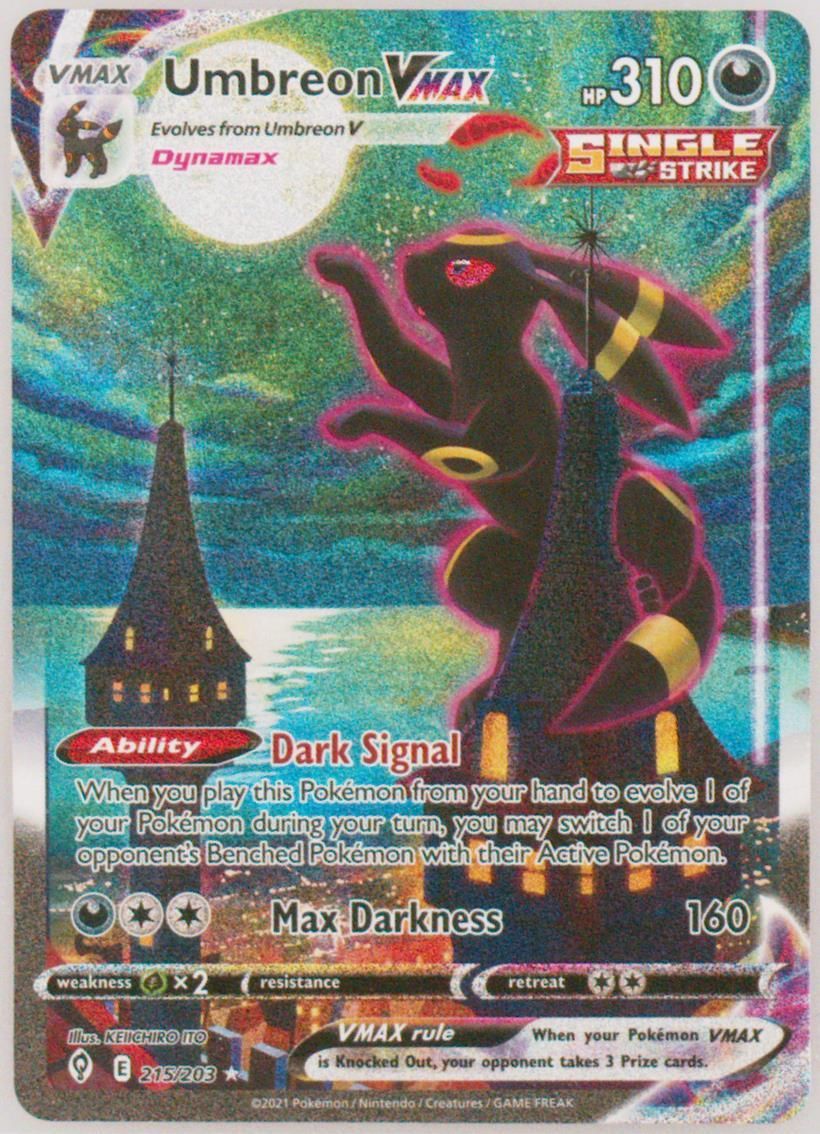
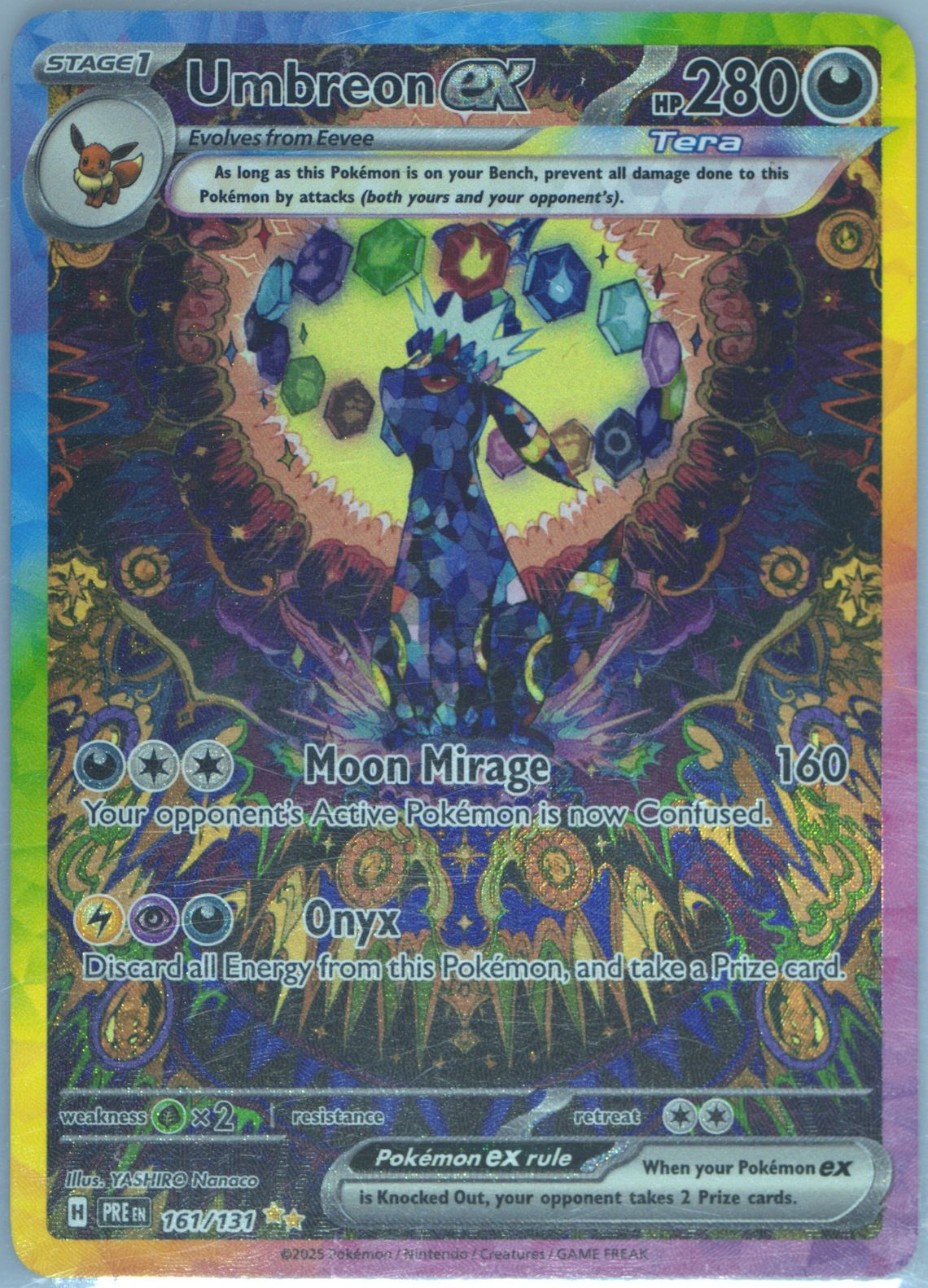
Price transparency. Every graded card on Misprint has historical price data, so you can see what that exact card in that exact grade has sold for recently. You're not guessing whether $450 is a good price for a PSA 9 Umbreon VMAX Alt Art. You can see that the last five sold for $420, $460, $440, $435, and $455. That context is invaluable.
Filtering that actually works. You can filter by grading company, grade, and price range. Want a CGC 9.5 specifically because it's cheaper than a PSA 10 but comparable quality? You can find that instantly. On eBay, you're sifting through hundreds of listings with inconsistent titles and photos.
The bid system. If the asking price on a graded card is higher than you want to pay, you can place a bid. The seller sees your bid and can accept it, counter it, or ignore it. We've seen countless buyers get graded cards at 5-15% below the listed ask by placing reasonable bids. It's essentially a built-in "make an offer" system that works.
Pop report integration. For graded cards, population data matters. A PSA 10 with a pop of 50 is very different from a PSA 10 with a pop of 5,000. Misprint shows this data alongside listings so you can assess rarity at a glance.
Where Misprint falls short for buyers: The inventory for graded cards is growing but still not at eBay's level, especially for obscure vintage cards. If you're looking for a specific low-pop vintage slab, eBay might be your only option simply because of volume.
eBay
eBay has the largest inventory of graded Pokemon cards anywhere. If a graded card exists, someone on eBay is selling it. This makes it the default option for rare or obscure graded cards that might not be listed on smaller platforms.
Strengths:
- Largest selection of graded cards, period
- Auction format can produce genuine deals on cards where demand is lower than expected
- Best Offer on Buy It Now listings lets you negotiate
- Authentication service for cards over $250 adds a layer of verification
Weaknesses:
- Pricing data requires you to manually filter by "Sold Items" to see real values
- Listing quality varies wildly (blurry photos, misleading titles, wrong card identified)
- Promoted listings push sponsored results to the top, which can obscure the best deals
- Fakes do get through. eBay's authentication catches most of them for items over $250, but below that threshold, you're on your own
Our buying tip for eBay: Always filter by "Sold Items" first to establish what you should be paying. Then switch to active listings and look for anything priced at or below recent sold prices. Ignore listings that are significantly above recent comps; those sellers are fishing.
StockX
StockX expanded into Pokemon cards a couple of years ago, and their model is interesting for graded cards: blind bidding with authentication.
How it works: You place a bid for a specific card in a specific grade. If a seller accepts, the card gets shipped to StockX first, where they authenticate it before forwarding it to you. You never deal with the seller directly.
Strengths:
- Built-in authentication eliminates fake risk
- Transparent pricing with historical sales data
- Clean, simple buying experience
Weaknesses:
- Limited selection compared to eBay or Misprint
- Prices tend to run slightly higher due to the authentication overhead
- Shipping takes longer (card goes to StockX first, then to you)
- Can't see photos of the specific card before buying
For popular modern graded cards (Charizards, Umbreons, Pikachus in PSA 10), StockX is a solid option. For anything niche or vintage, the selection is too thin.
Best Platforms for Raw Singles
Buying raw (ungraded) singles has different priorities: price competitiveness, accurate condition descriptions, and a wide selection.
TCGPlayer
TCGPlayer is the undisputed champion for buying raw Pokemon card singles. No other platform comes close for this specific use case.
Why TCGPlayer wins for raw singles:
- Catalog system. Every card has a single product page with all sellers listed by price and condition. You can instantly see the lowest price for a Near Mint copy, the cheapest Lightly Played copy, etc. This drives prices down because sellers compete directly.
- Cart Optimizer. When you're buying multiple cards, TCGPlayer's system automatically groups your purchases to minimize shipping costs. This is a massive advantage if you're buying 10-20 cards at once.
- Market Price. TCGPlayer's Market Price metric is the most widely referenced pricing standard for raw Pokemon cards. It's based on actual sales, not listings.
- Direct by TCGPlayer. Cards in the Direct program have been verified by TCGPlayer's team, which provides an extra layer of confidence in condition accuracy.
- Volume and selection. For any modern card, TCGPlayer will have dozens of sellers offering it. Competition keeps prices honest.
Where TCGPlayer falls short for buyers:
- Condition descriptions can be inconsistent between sellers. One seller's "Near Mint" might have more whitening than you'd expect. Direct items are more reliable.
- The graded card experience is limited.
- International shipping can be expensive.
Misprint
Misprint now supports raw singles, and we think we're a good option for buyers looking for specific mid-to-high value raw cards ($10+). Our price history data helps you know if a listed price is fair, and the bid system means you can offer below asking if you think the price is too high.
For raw singles under $5, TCGPlayer is the better bet. Their catalog system and Cart Optimizer are designed for exactly that use case, and we can't match that efficiency at the low end.
eBay
eBay is a fine place to buy raw singles, especially if you're patient and willing to watch auctions. Auctions can produce below-market prices on raw cards when there aren't many bidders. But for routine purchases of in-print singles, TCGPlayer's competitive pricing and Cart Optimizer make it the more efficient choice.
Best Platforms for Sealed Product
Sealed product (booster boxes, Elite Trainer Boxes, booster packs, collection boxes) is a different beast entirely. Fakes are rampant, prices vary wildly, and where you buy determines whether you get a legitimate product or a resealed box full of worthless packs.
Pokemon Center (PokemonCenter.com)
For in-print sealed product, buy from Pokemon Center whenever possible. Period.
Why? Because it's the official retailer. Zero fake risk. MSRP pricing on release day. Free shipping on orders over $20.
The downsides: products sell out fast (especially chase sets like Prismatic Evolutions), and they don't sell out-of-print product. If you want an Evolving Skies ETB, Pokemon Center can't help you because that set is long out of print.
Our tip: Sign up for restock notifications. Pokemon Center periodically restocks popular products, and being first in line beats paying secondary market premiums.
TCGPlayer
TCGPlayer has a robust sealed product section with competitive pricing from multiple sellers. For out-of-print product like Evolving Skies booster packs, TCGPlayer is one of the better options because you can compare prices across sellers and the platform provides buyer protection.
Watch out for: Sellers offering sealed product significantly below market price. If an Evolving Skies booster box is averaging $350 everywhere and someone lists one for $220, that's a red flag for a resealed or counterfeit box.
eBay
eBay has the largest selection of sealed product, including vintage and out-of-print items you won't find anywhere else. But the fake/resealed risk is highest here.
How to protect yourself on eBay sealed product:
- Buy from sellers with 99%+ feedback and thousands of sales
- Check for the eBay authentication guarantee on items over $250
- Look for original shrink wrap indicators (tightness, Pokemon Company branding on the wrap)
- Avoid listings with stock photos; insist on actual product photos
- If a price seems too good to be true, it is
Big-Box Retailers (Target, Walmart, Costco, etc.)
For in-print product at MSRP, big-box retailers are a great option if you can find them in stock. Online availability varies, but Target.com and Walmart.com regularly carry current Pokemon TCG products.
No fake risk, MSRP pricing, and you can sometimes find clearance deals on older product that retailers are cycling out.
Best Platforms for Japanese Cards
Japanese Pokemon cards have exploded in popularity with Western collectors over the past few years. The art quality is often superior, the card stock feels different (and many collectors prefer it), and certain cards are only available in Japanese sets.
Japan Card House
One of the more reputable Japanese card retailers that ships internationally. Selection is good for modern Japanese sets, prices are competitive, and they have a track record of legitimate products.
Buyee / Yahoo Japan Auctions
For the best deals on Japanese cards, especially vintage or less popular modern sets, Yahoo Japan Auctions (accessible through Buyee as a proxy service) is where Japanese collectors buy and sell. Prices are often significantly below what the same cards sell for on Western platforms.
The trade-off: You're navigating a proxy service, shipping from Japan takes 1-3 weeks, and returns are essentially impossible. You need to know what you're buying. But if you're comfortable with that, the savings can be substantial.
eBay (Japanese Cards Section)
eBay has a large selection of Japanese Pokemon cards from both domestic and Japan-based sellers. Prices tend to be higher than buying directly from Japan, but you get eBay's buyer protection and (sometimes) faster shipping.
Beware: Fake Japanese cards are increasingly common on eBay. The texture, holo pattern, and card stock are the telltale signs. If you're not confident in your ability to spot a fake Japanese card, stick to graded copies or reputable sellers with extensive feedback history.
Misprint
We carry Japanese graded cards and our inventory is growing. If you're looking for specific Japanese graded slabs, check our listings. Our price history data works just as well for Japanese cards as English ones, so you can verify fair pricing.
Best Platforms for Budget Buys
Not everyone is looking to spend $500 on a single card. If you're building a collection on a budget, here's where to look.
TCGPlayer (Cards Under $10)
TCGPlayer is unbeatable for buying affordable raw singles. The Cart Optimizer saves you money on shipping when you buy multiple cheap cards, and the competition between sellers keeps prices at the floor. If you're looking for cards from our best cards under $50 list, TCGPlayer is where you'll find the best prices on the raw versions.
Misprint (Bidding Below Ask)
Here's a buyer hack on Misprint that not enough people use: bid below asking price on cards that have been listed for a while. If a card has been sitting at $45 for three weeks, a $38 bid has a decent chance of being accepted. Sellers would rather make a sale at a slight discount than have inventory sitting indefinitely.
eBay Auctions (Off-Peak)
eBay auctions that end on Tuesday mornings or late at night tend to get less bidding activity than those ending on weekend evenings. If you're patient and strategic about which auctions you target, you can pick up cards below market value. It takes time, but the deals are real.
Local Card Shops
Local card shops often have binder sections of raw singles priced below online market value, especially for cards in the $2-$20 range. The shop doesn't want to deal with shipping individual cheap cards, so they price them to move in-store. Browse your local shop's binders; you'll find deals.
Facebook Groups and Reddit
For budget buying, peer-to-peer trading groups can offer savings of 10-20% below platform prices because there are no seller fees being baked into the price. The trade-off is less buyer protection and the need to verify authenticity yourself. For cards under $50, the risk is manageable for most people.
The Fake Card Problem (And How Each Platform Handles It)
Fake Pokemon cards are the single biggest risk when buying online. Here's how each platform addresses it:
| Platform | Fake Protection | Notes |
|---|---|---|
| Misprint | Graded cards verified by cert number | Slab authenticity verified through grading company databases |
| eBay | Authentication for items $250+ | Below $250, you're relying on the seller and your own judgment |
| TCGPlayer | Direct program items verified | Non-Direct items depend on seller accuracy |
| Pokemon Center | Official retailer, zero fake risk | Only in-print product |
| StockX | All items authenticated | Adds shipping time but eliminates risk |
| Facebook/Reddit | None | Buyer beware entirely |
For anything over $100, we strongly recommend buying graded or buying from a platform with authentication. The cost of a fake is too high to rely on photos alone. Check our detailed guide on spotting fake Pokemon cards for what to look for if you're buying raw.
Platform Comparison: The Quick Reference
Here's the summary for buyers:
| What You're Buying | Best Platform | Runner-Up |
|---|---|---|
| Graded singles (modern) | Misprint | eBay |
| Graded singles (vintage/rare) | eBay | Misprint |
| Raw singles (modern) | TCGPlayer | eBay |
| Raw singles (vintage) | eBay | TCGPlayer |
| Sealed product (in-print) | Pokemon Center | Target/Walmart |
| Sealed product (out-of-print) | TCGPlayer | eBay |
| Japanese cards (modern) | Japan Card House / Buyee | eBay |
| Japanese cards (graded) | Misprint | eBay |
| Budget cards under $10 | TCGPlayer | Local card shop |
| High-value ($500+) | Misprint or eBay | StockX |
How to Not Overpay
The number one mistake buyers make is not checking recent sold prices before purchasing. Listed prices mean nothing. We can't say this enough. A card listed at $200 on eBay that's been sitting for three months while identical copies sell for $140 on Misprint is not a $200 card. It's a $140 card with a delusional seller.
Here's our buying process for any card over $20:
- Check sold prices on Misprint (price history charts) and eBay (sold listings filter). This gives you the real market value.
- Compare active listings across platforms. Prices can vary 10-20% between platforms for the same card.
- Factor in shipping and fees. A card that's $5 cheaper on one platform but has $8 shipping costs is not actually cheaper.
- Don't rush. Unless a card is clearly underpriced and about to sell, there's no urgency. New listings appear constantly. The one you see today won't be the last one.
- Use bids and offers. On Misprint, bid below ask. On eBay, use Best Offer. On TCGPlayer, wait for Cart Optimizer to bundle your purchases. Paying full listed price should be the exception, not the rule.
For more on understanding card values before you buy, check out our guide on how to tell if a Pokemon card is valuable and our breakdown of Pokemon card pricing.
Final Thoughts
There's no single best platform to buy Pokemon cards. There's a best platform for what you're buying right now. TCGPlayer for a stack of raw singles. Misprint for a specific graded slab. Pokemon Center for the new set dropping on Friday. eBay for that vintage Japanese card nobody else has.
The common thread across all of them: know what you want, know what it's worth, and don't let excitement override research. The card you want today will still exist tomorrow, probably at a slightly better price if you're patient.
If you're just starting a collection and feeling overwhelmed, our guide to the best Pokemon cards for beginners is a good starting point for figuring out what's worth buying in the first place.


